UK 2025
August - November
JoDon had never been in England except for many layovers at London Heathrow airport so we departed for a three-month trip, which included three weeks of house sits; one in England and one in Scotland.
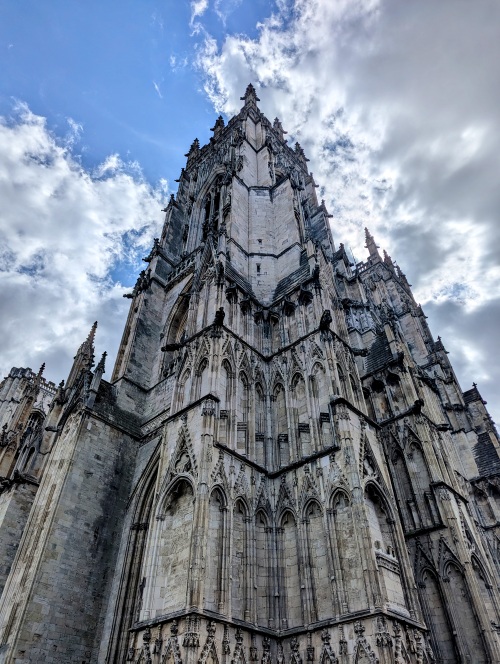
Immediately after our overnight flight, DFW-LHR, we used the tube (known as subways in the U.S.), then a train to York, England. York came highly recommended and it did not disappoint. York is one of the oldest cities in England, was a Roman fort and the only English city that has a medieval wall that surrounds the old city.
The Roman 9th Legion was sent to conquer the Brigantes, the local tribe in York, and the Romans founded the city in AD 71. The Romans named their new headquarters, Eboracum. Three Roman emperors traveled to Eboracum including emperor Hadrian (more about him later).
As the Roman empire was shrinking in size, the Romans abandoned Britain and the Vikings later took over much of the area in 866. The population at the time was about 100,000, second only to London.
The Roman 9th Legion was sent to conquer the Brigantes, the local tribe in York, and the Romans founded the city in AD 71. The Romans named their new headquarters, Eboracum. Three Roman emperors traveled to Eboracum including emperor Hadrian (more about him later).
As the Roman empire was shrinking in size, the Romans abandoned Britain and the Vikings later took over much of the area in 866. The population at the time was about 100,000, second only to London.
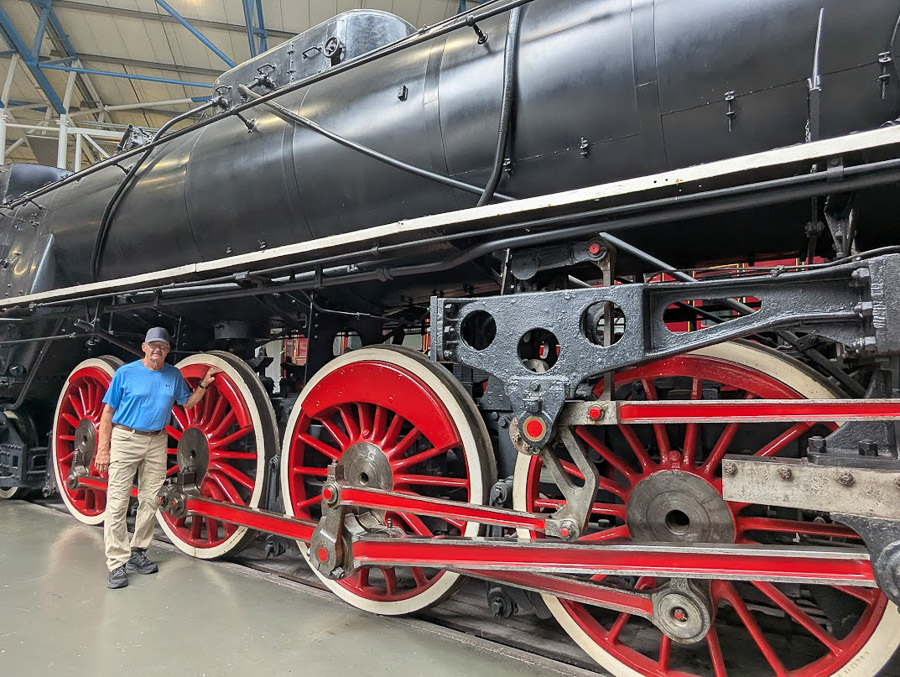
York is now a popular tourist destination with medieval architecture like the Minster (cathedral), The Shambles (a medieval street), a National Railway Museum, and other sights. York now boasts a plethora of restaurants and activities.
After sightseeing and rest, we moved on to a more adventurous destination; hiking Hadrian’s wall.
After sightseeing and rest, we moved on to a more adventurous destination; hiking Hadrian’s wall.
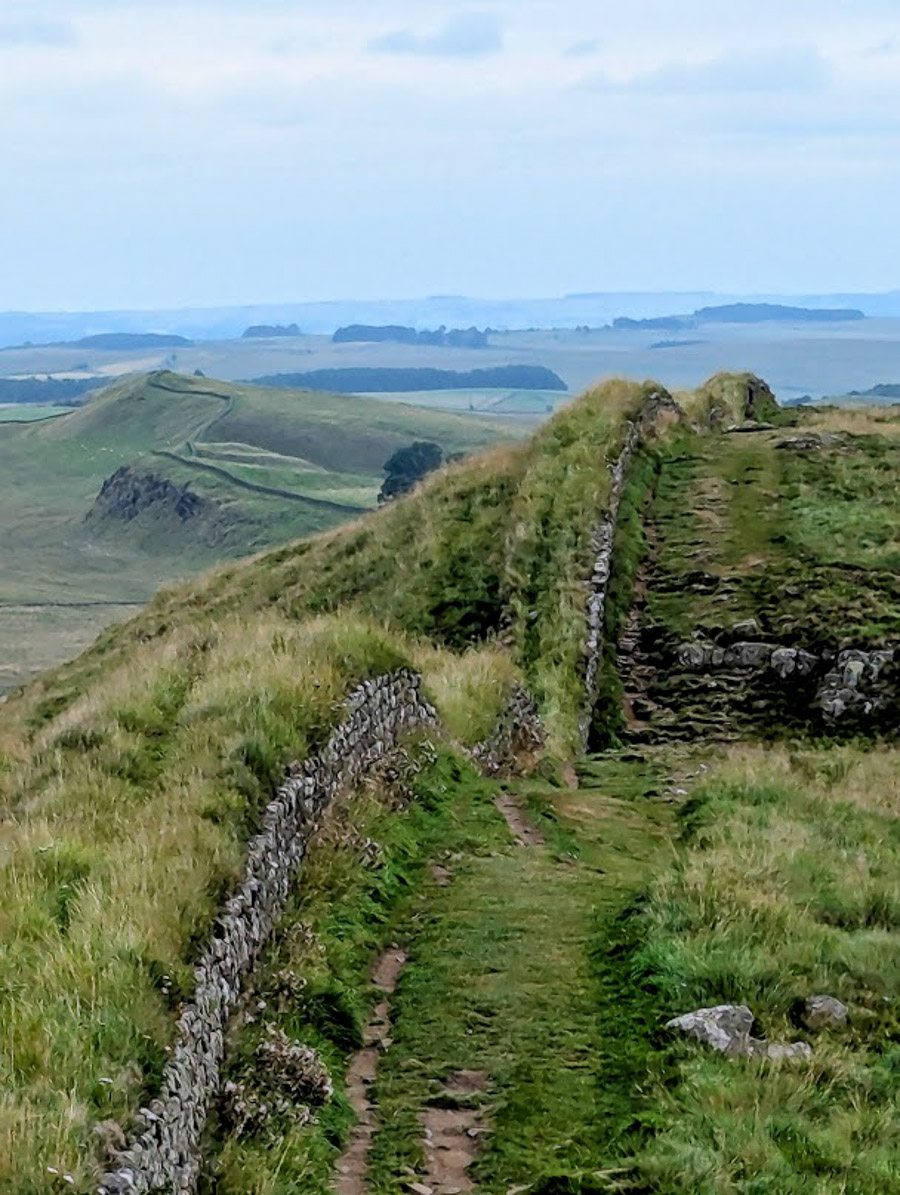
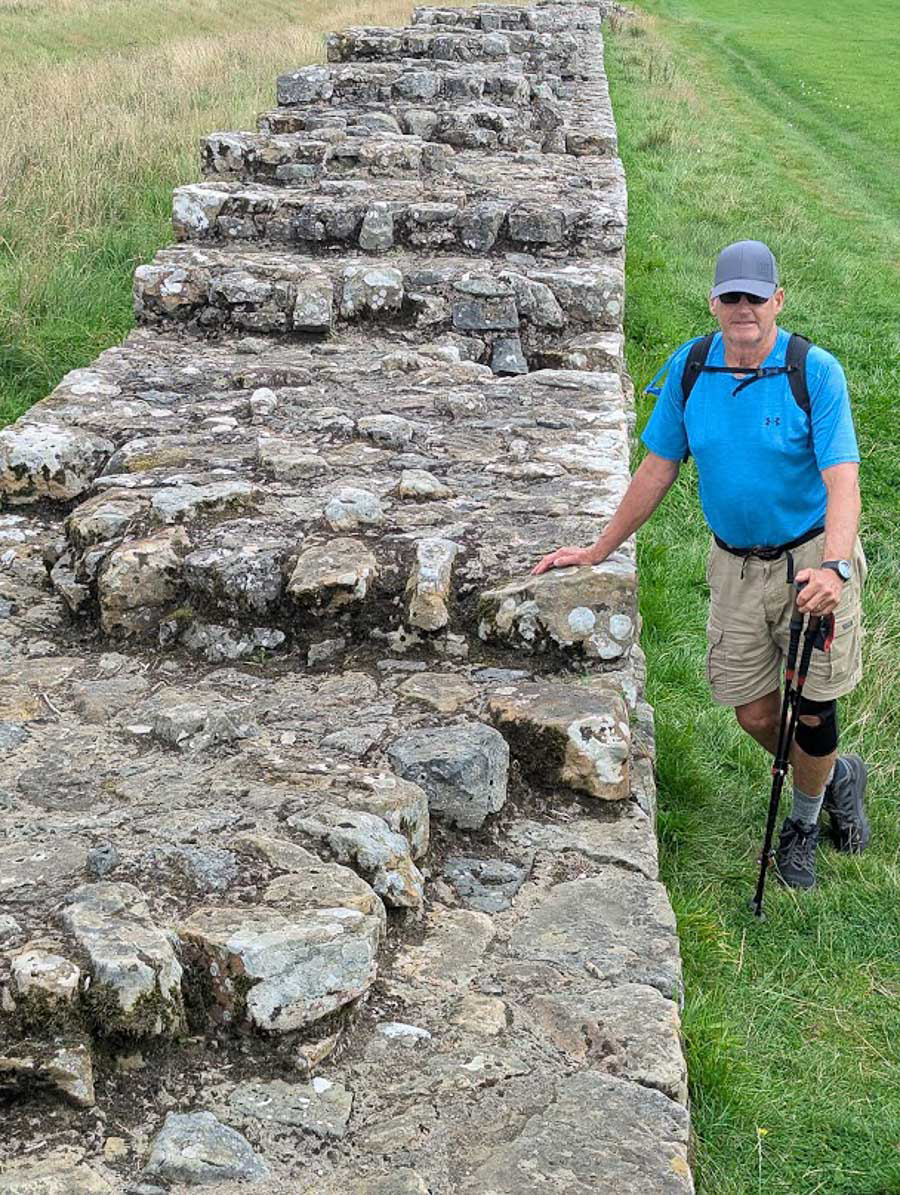
Roman emperor Hadrian built a defensive wall from the east coast of Northern England to the west coast at its most narrow distance, 80 Roman miles or 73 modern miles. Construction began in AD 122 and took about six years to build. The purpose of the wall was to defend the Roman Empire from the Pics, ancient tribes from what is now Scotland. The wall was a complex system that included the wall, a large ditch, small forts and turrets.
We started the hike out of the West Coast town of Carlisle. The Carlisle Castle, built in 1092 by William II, is the most besieged site in the British isles. Lying near Hadrian’s Wall, the castle was built as part of the protection against invasion.
We started the hike out of the West Coast town of Carlisle. The Carlisle Castle, built in 1092 by William II, is the most besieged site in the British isles. Lying near Hadrian’s Wall, the castle was built as part of the protection against invasion.
Although much of the wall has been reused or fallen over time, there are portions that are still intact, but not as tall as the original structure.
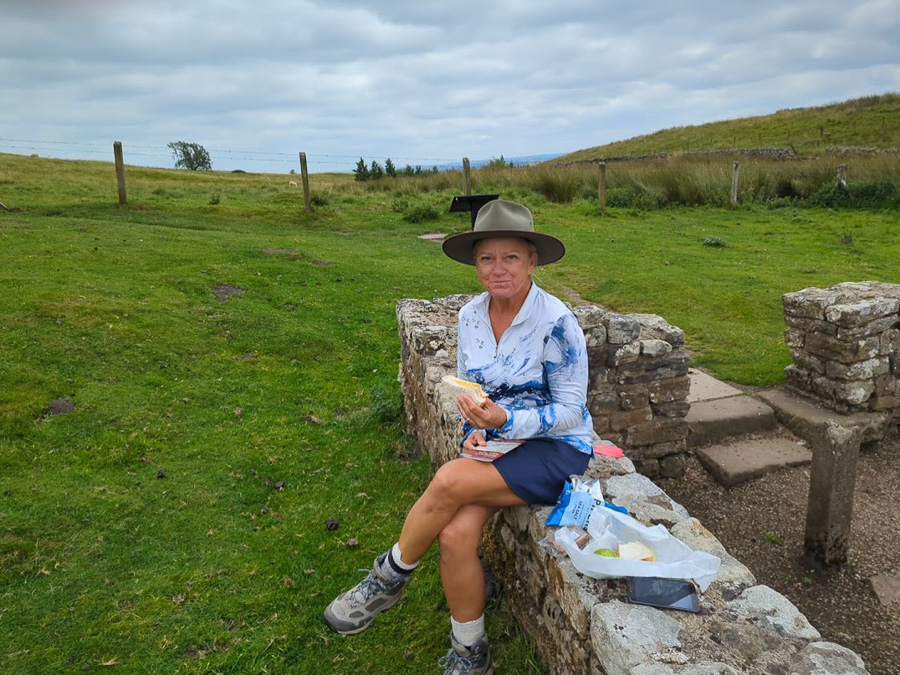
Regardless, there is a pathway alongside the wall that is popular with walkers from around the world. Some camp along the way but we used an agent who arranged bed & breakfast stays and more importantly, transported our luggage each day so it eliminated the need to carry heavy backpacks.
Our walk was scheduled for six days. Not all days were the same; some included steep inclines and the distance varied. We thoroughly enjoyed our time on the path and it set the stage for our entire England/Scotland/Wales experience.
Regardless, there is a pathway alongside the wall that is popular with walkers from around the world. Some camp along the way but we used an agent who arranged bed & breakfast stays and more importantly, transported our luggage each day so it eliminated the need to carry heavy backpacks.
Our walk was scheduled for six days. Not all days were the same; some included steep inclines and the distance varied. We thoroughly enjoyed our time on the path and it set the stage for our entire England/Scotland/Wales experience.
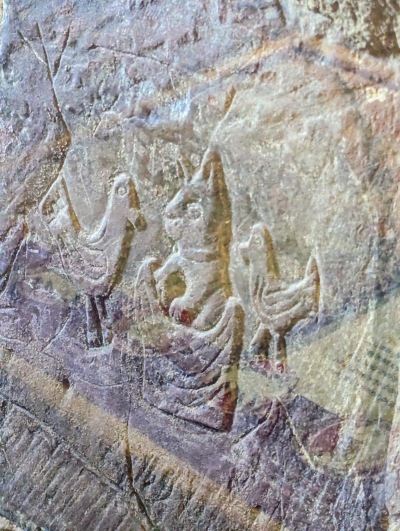
The mysterious wall carvings of Carlisle Castle’s Keep were likely to have been made by bored prison guards at the end of the 15th century. Pictured is a fox preaching to some chickens - a 500-year-old warning not to trust people in authority.
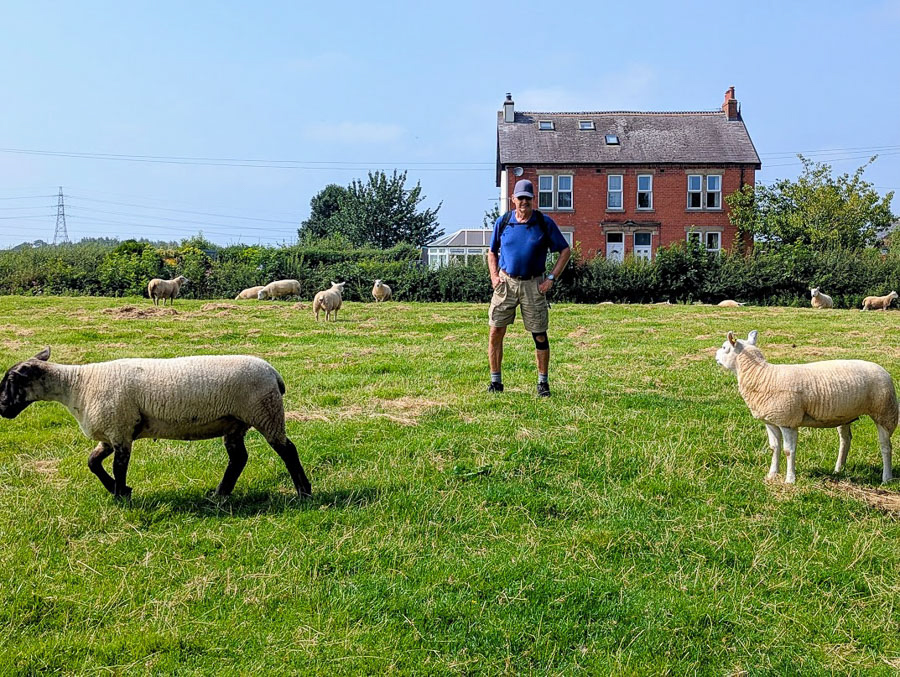
England is a hiker’s paradise. There are official treks throughout the country that are publicized for the public’s benefit. These trails, including Hadrian’s Wall, can take you alongside country roads, pastures of sheep and cattle, mountains/valleys, etc. There is no better way to get to know a new area than walking. You can see and smell the landscape, chat with locals along the way and gain a totally different perspective versus driving in a car or riding a bus.
After concluding Hadrian’s Wall hike, we enjoyed the less physical task of sightseeing Newcastle on Tyne and Durham.
After concluding Hadrian’s Wall hike, we enjoyed the less physical task of sightseeing Newcastle on Tyne and Durham.
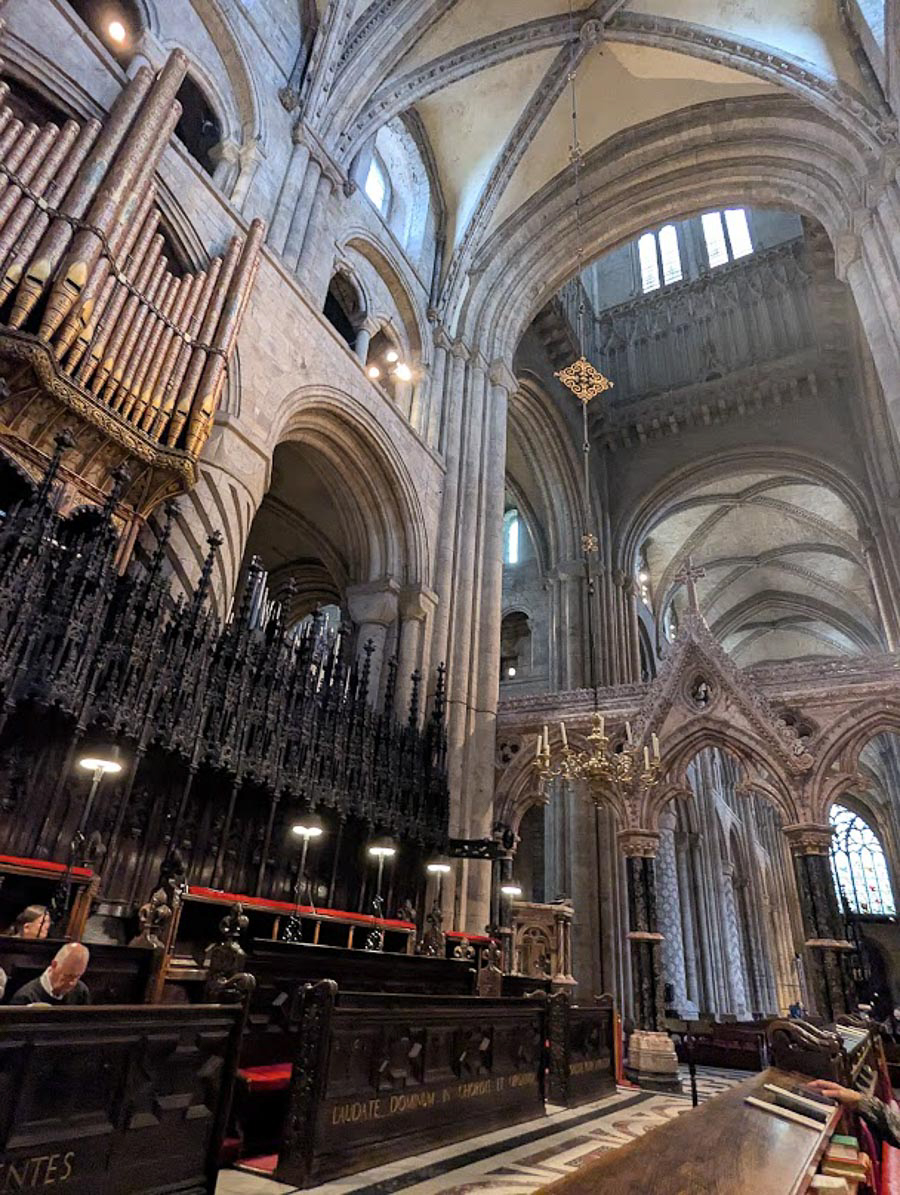
Durham was especially enjoyable. It is a walled medieval city that sits atop a steep cliff and the River Wear curves around the city creating an almost impenetrable fortress. Durham is very compact but it is home to Durham university, about 20,000 students. The student population creates a fun vibe on the streets and restaurants. Also located in Durham is the famous Durham cathedral which has had worship services for over 1,000 years. Durham Cathedral was also used in many scenes of the Harry Potter movies.
We got to know Durham Cathedral by attending Evensong. It is an evening church service that is sung by a choral. The huge organ, the intricate singing of church verses, the ancient building and friendly clergy made it to be a very memorable event.
We got to know Durham Cathedral by attending Evensong. It is an evening church service that is sung by a choral. The huge organ, the intricate singing of church verses, the ancient building and friendly clergy made it to be a very memorable event.
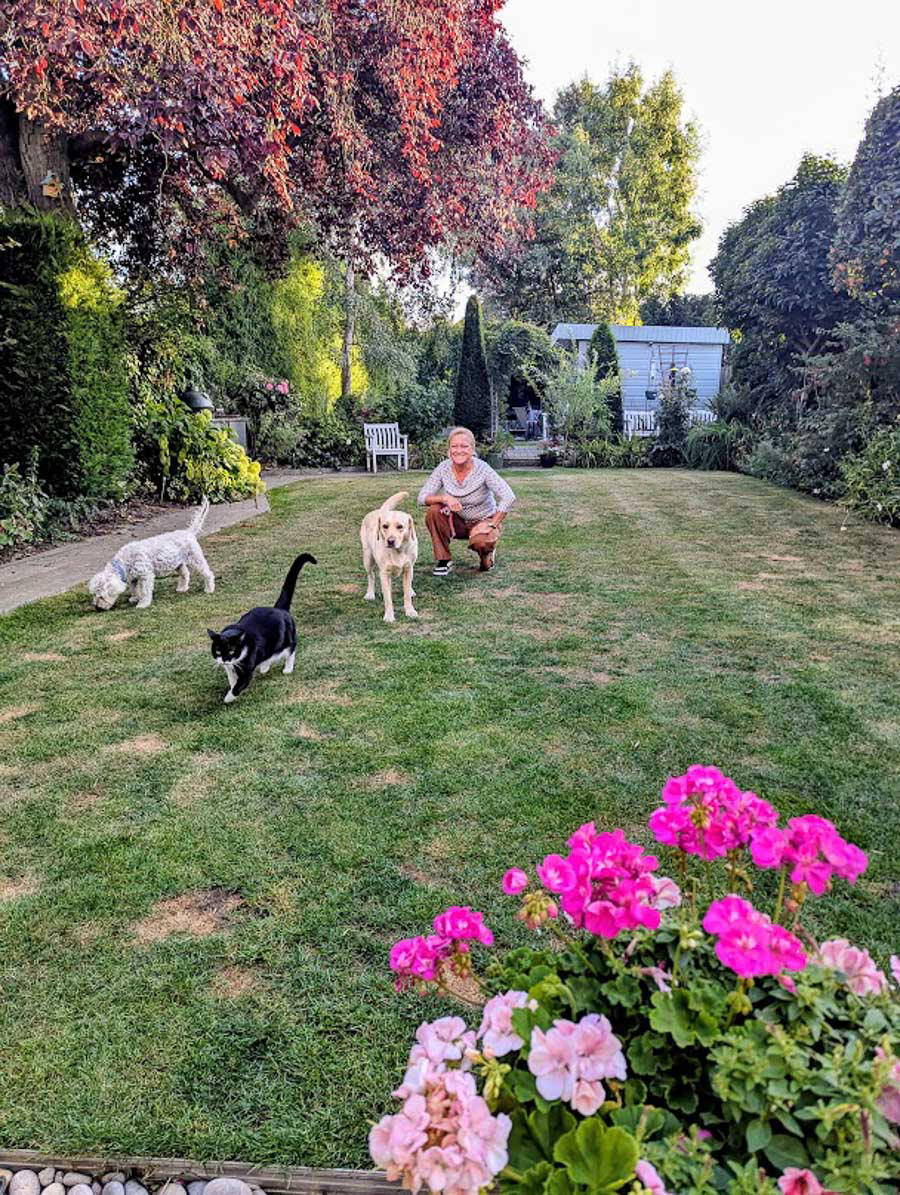
After our time in northern England, we returned by train to London for a housesit. In advance of a housesit you see pictures of the house, their pets, etc., but there is always some anxiety of what to expect but our London and Scotland house sits were two of our best. The hosts were very friendly and outgoing and their houses both exceeded our expectations.
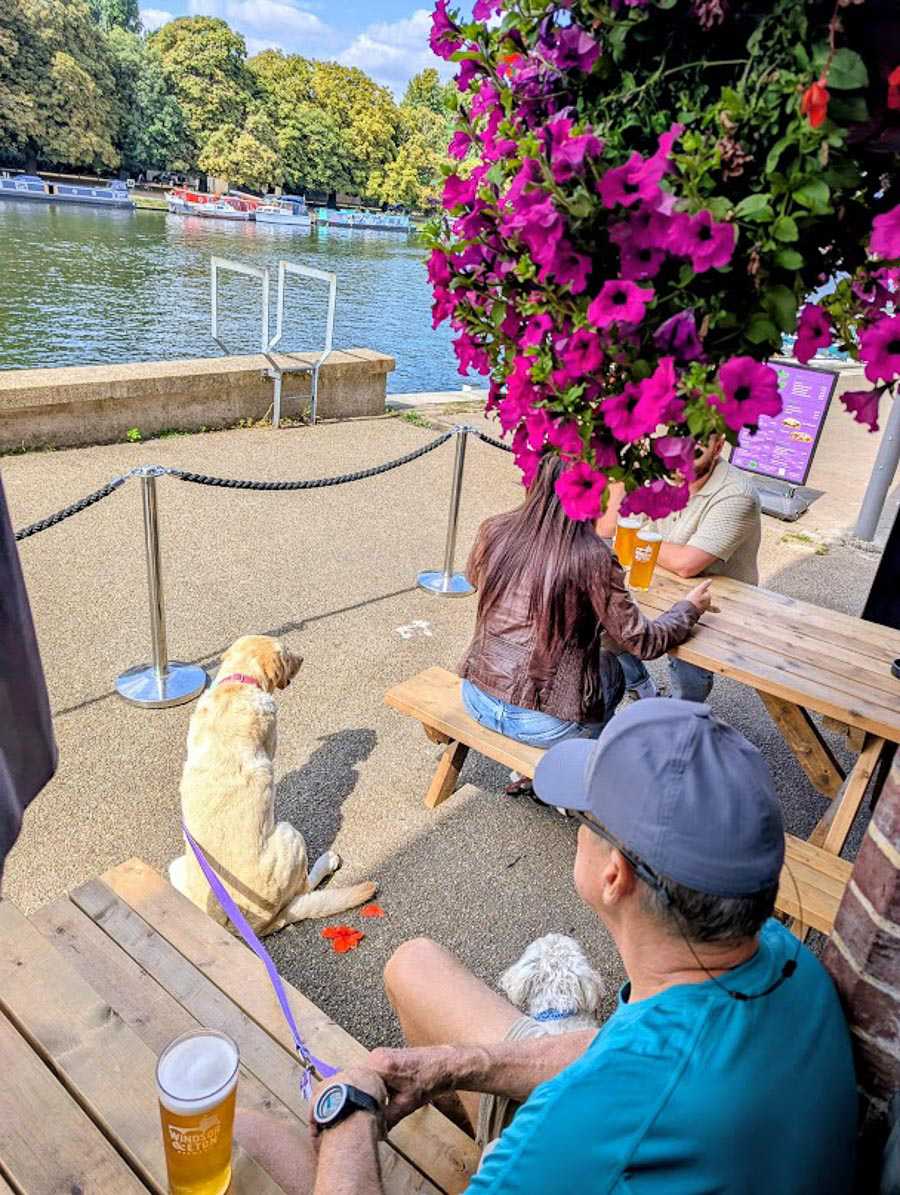
The two London dogs we took care of were accustomed to riding city buses so sometimes we took them for a long walk/lunch/shopping, then return on a bus. No one thought this was weird and the dogs were always on their best behavior. We also took the dogs to pubs which is also very common.
The two London dogs we took care of were accustomed to riding city buses so sometimes we took them for a long walk/lunch/shopping, then return on a bus. No one thought this was weird and the dogs were always on their best behavior. We also took the dogs to pubs which is also very common.
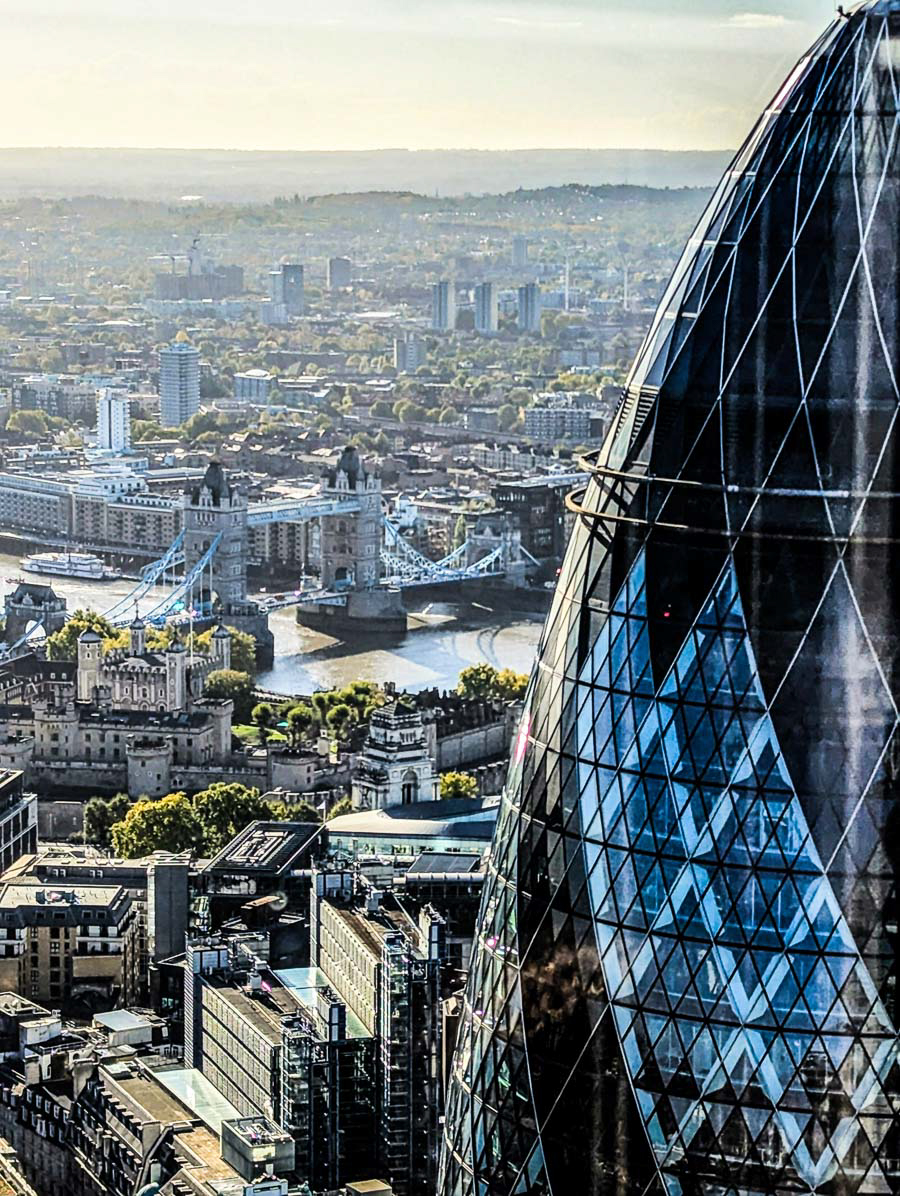
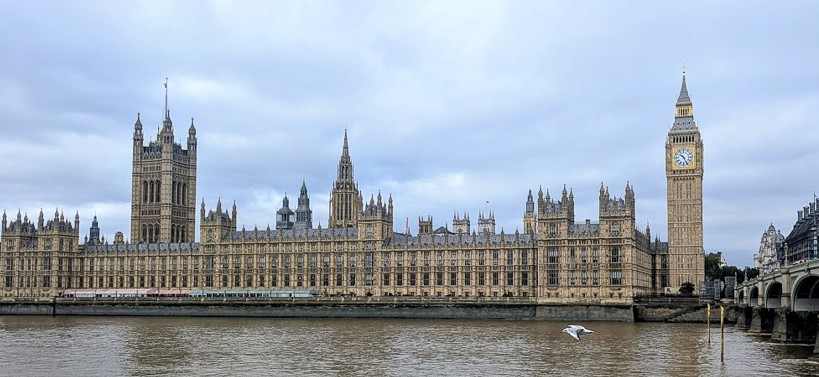
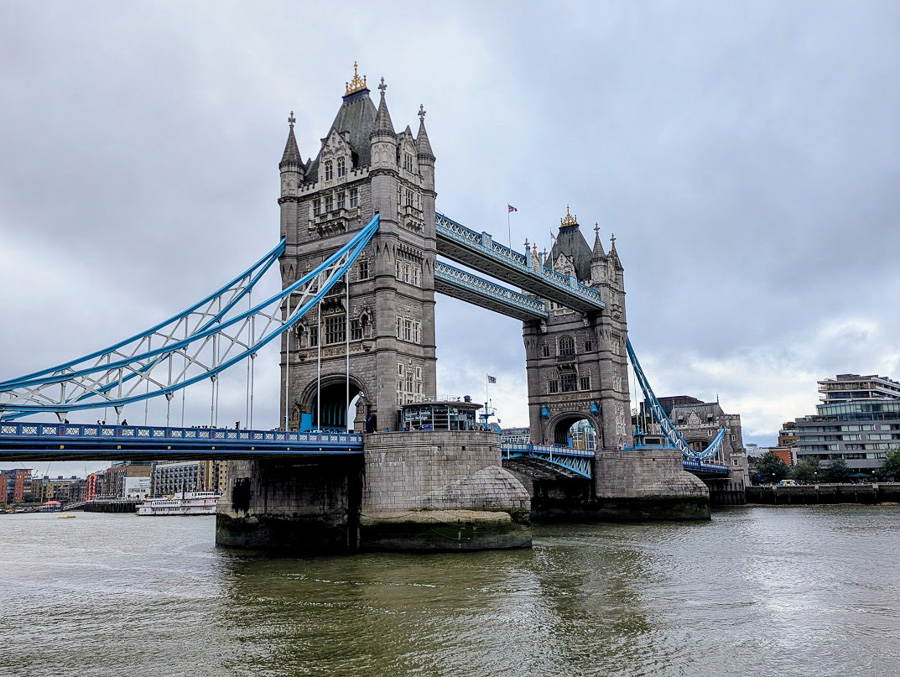
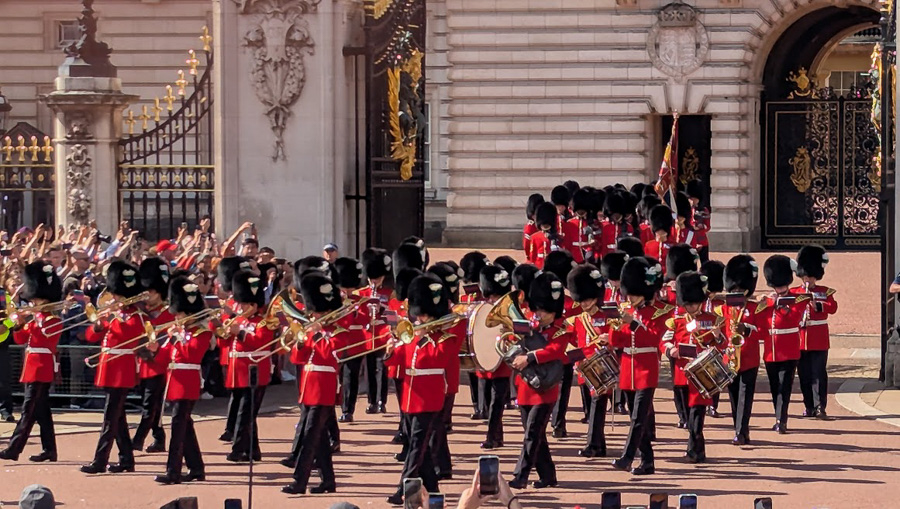
A few times each week we would take a train to the center of London for sightseeing. London became one of our favorites with so much to see and do. We have included a few photos of sights in London; most are world famous so we feel no need for elaboration. London will rank as one of our favorite cities in the world.
The British Museum is a sight worthy of elaboration. The volume of artifacts is overwhelming and impressive. The museum is free (like many in the U.K) but its inventory is priceless. When touring through the ancient middle east section we wondered how many of these artifacts current insurrectionists and religious fanatics would have destroyed.
The British Museum is a sight worthy of elaboration. The volume of artifacts is overwhelming and impressive. The museum is free (like many in the U.K) but its inventory is priceless. When touring through the ancient middle east section we wondered how many of these artifacts current insurrectionists and religious fanatics would have destroyed.
Next: fly to Scotland using the London Luton airport. To our naïve surprise, it took us about 2 ½ hours to get there by train from south London to north of London. Our next surprise was that Luton airport is huge! We were dumbfounded by the international destinations offered.
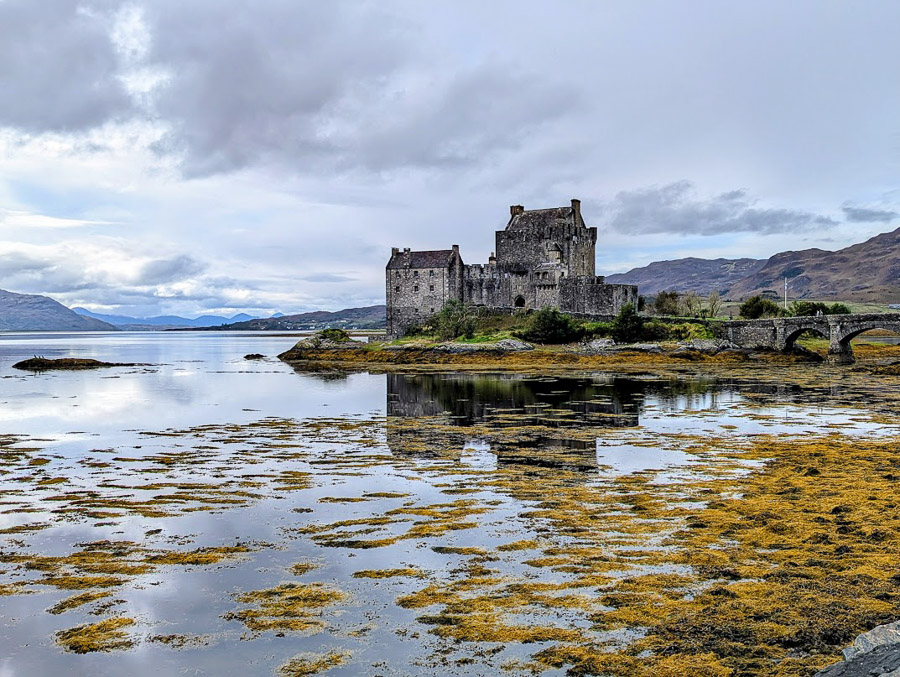
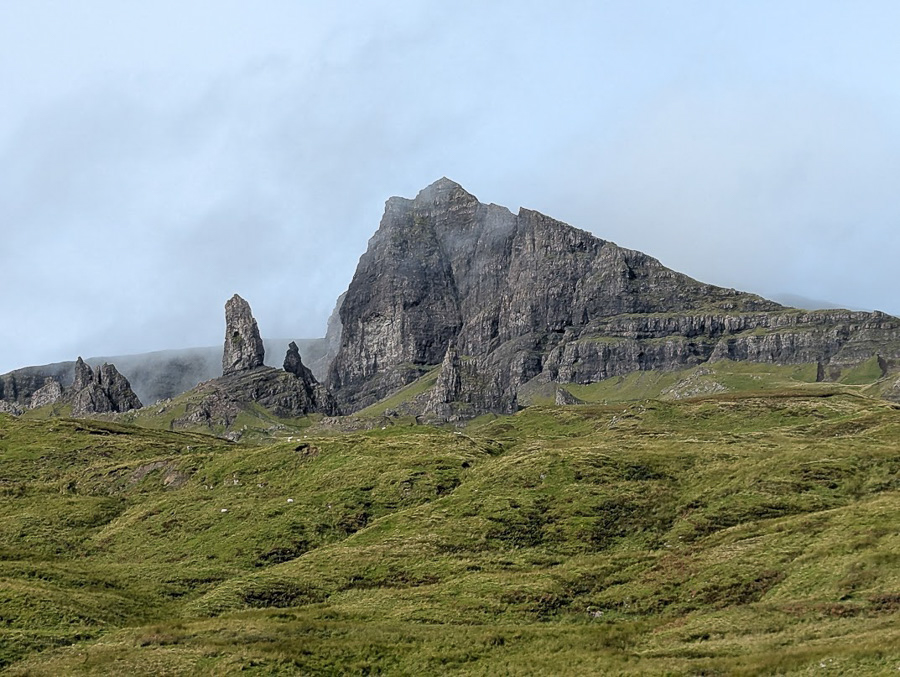
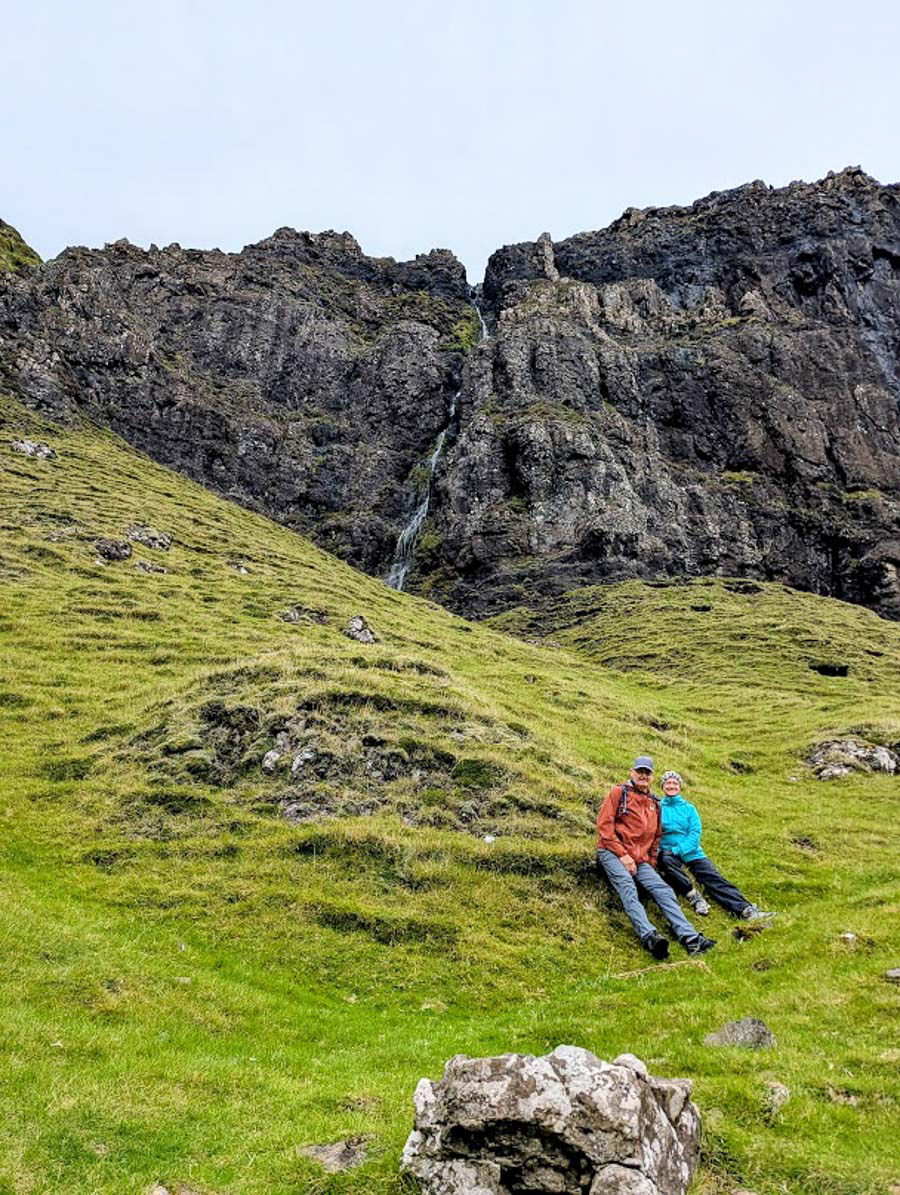
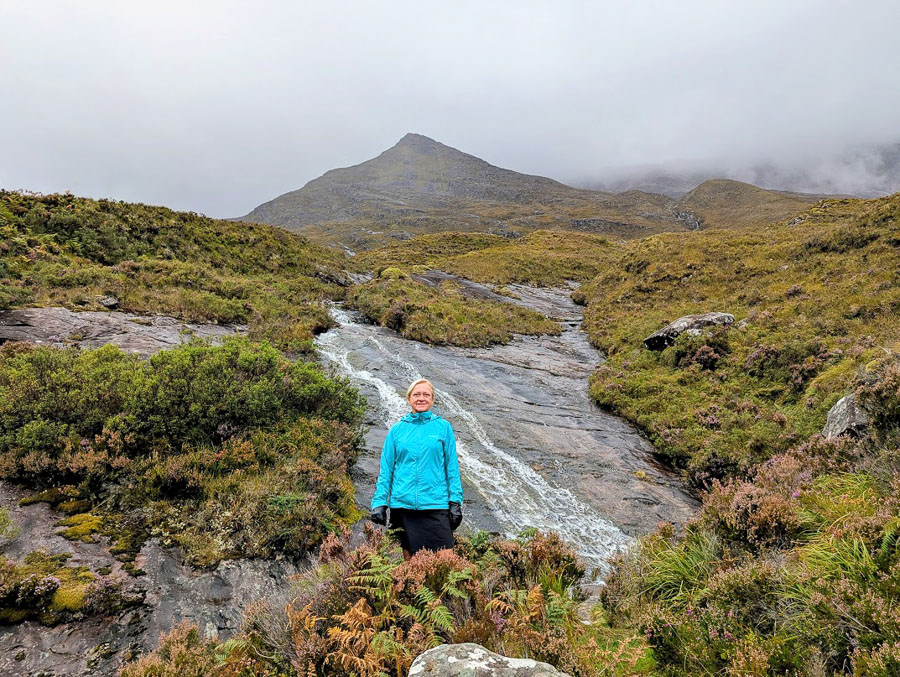
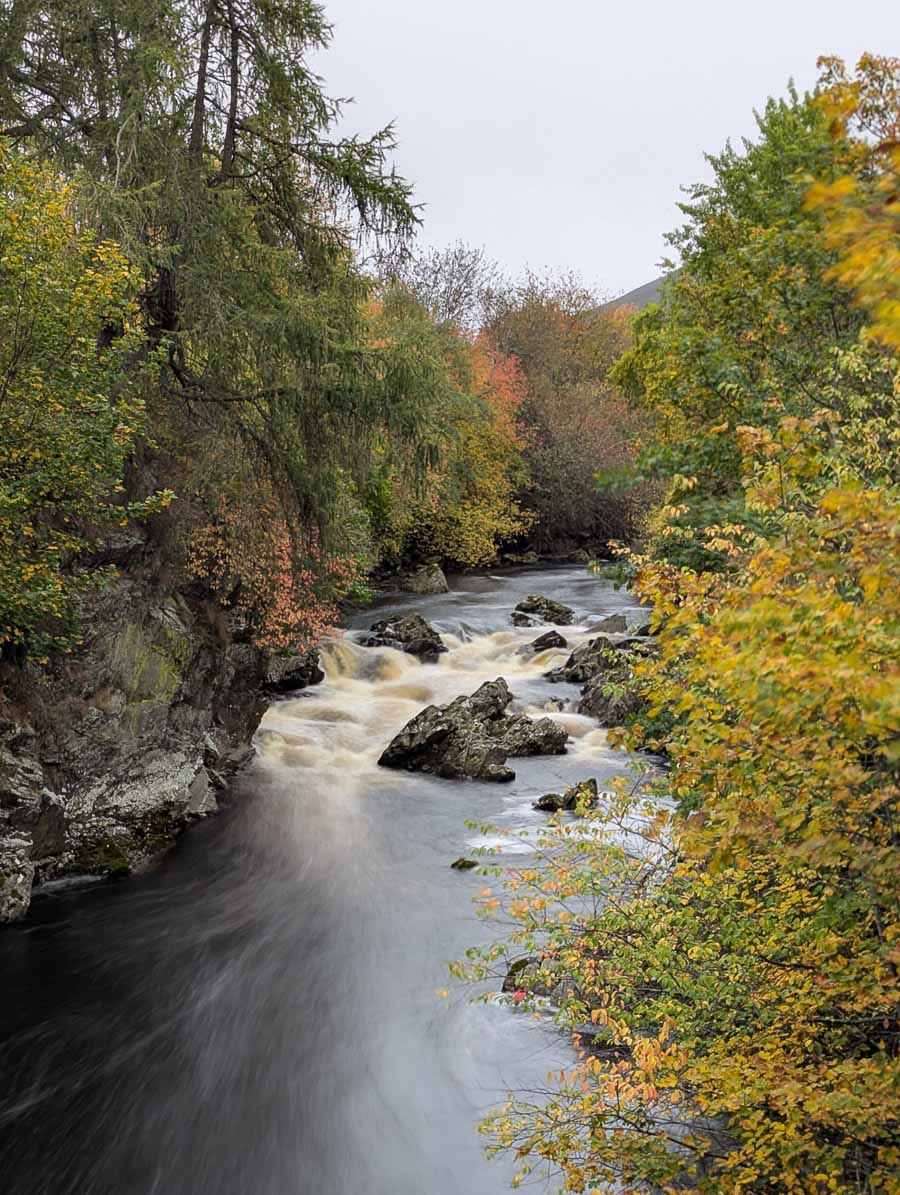
Our goal in Scotland was to spend time in the countryside before meeting son, Nathan, and daughter, Amanda, in Edinburgh (Edin-burra). We rented a car in Inverness (inverNESS) and headed to the Isle of Skye. What do we think about the Isle of Skye and the Highlands of Scotland? MAGNIFICENT! Although pictures do not capture 100% of the beauty, they are much more descriptive than my words.
Our goal in Scotland was to spend time in the countryside before meeting son, Nathan, and daughter, Amanda, in Edinburgh (Edin-burra). We rented a car in Inverness (inverNESS) and headed to the Isle of Skye. What do we think about the Isle of Skye and the Highlands of Scotland? MAGNIFICENT! Although pictures do not capture 100% of the beauty, they are much more descriptive than my words.
After returning the rent car to the Inverness airport, we decided to share a taxi with a Scottish couple rather than wait for a bus. The interesting part of the ride was between the driver and the Scottish couple. Although they had never met and were from different ends of Scotland they had many mutual friends, demonstrating how small of a country Scotland really is. Many Scots speak proper English but when amongst their own they speak in a way that is difficult to comprehend. But, one of the most memorable lines was when they spoke about a friend who recently died (from drinking too much) they clipped, “He drank for Scotland!”
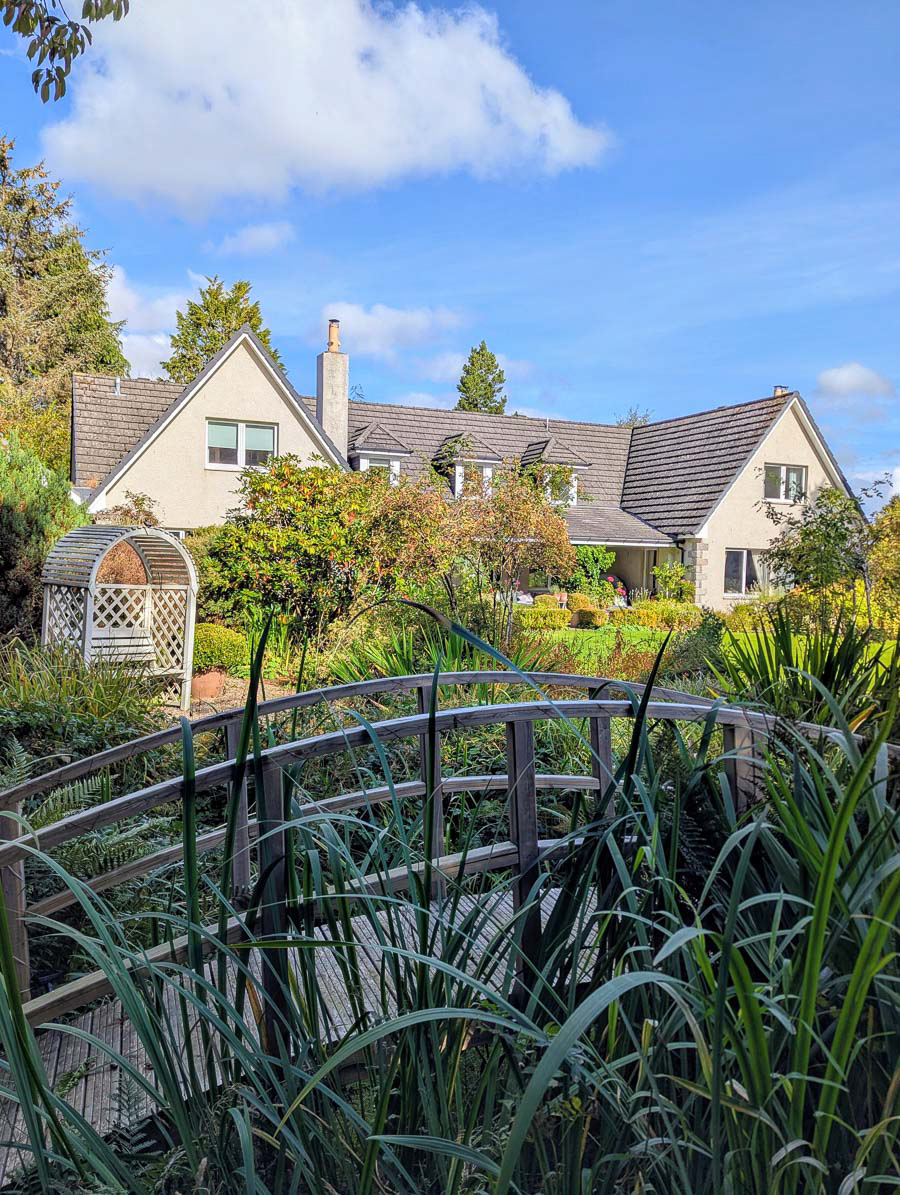
From Inverness we proceeded on to our next housesit in Banchory (BAN-kory), Scotland. Once again, we were overwhelmed with the hospitality of our hosts. With this location we were able to use their car which made it significantly easier to get around in this semi-remote location. On a day trip, we drove to the coast with their dog, Hector, and saw a magnificent ancient castle almost surrounded by the ocean.
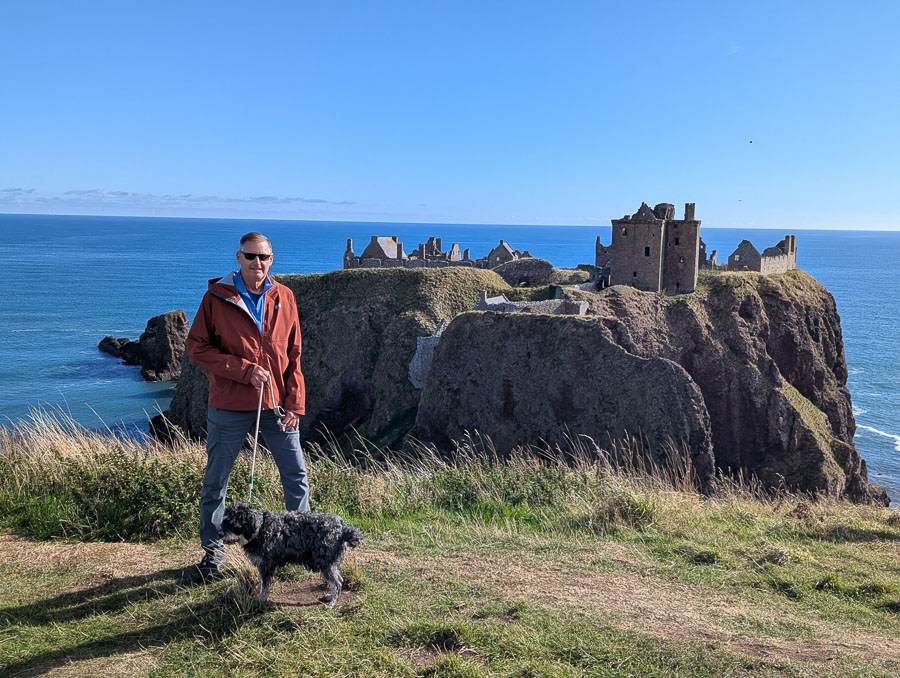
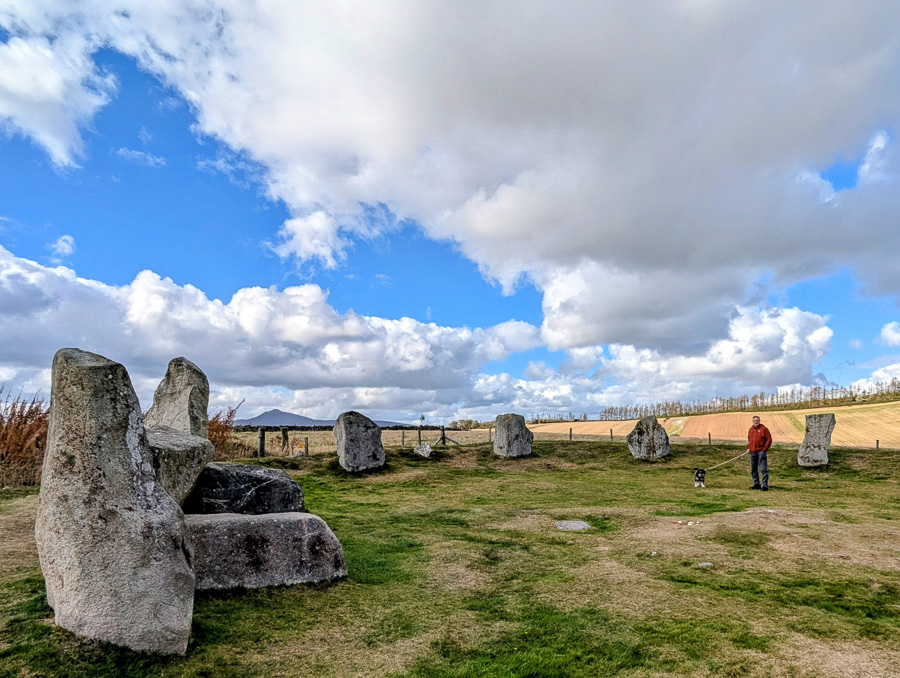
Whilst in the United Kingdom, JoDon had a goal of researching her ancestors. Her family had records of family dating back to the 1600’s. That's not as old as the Standing Stone Circle below, but it is a long time ago! We drove to Aberdeen, Scotland to search for additional information. There is an office of volunteers that assist people in researching family histories since millions of Scots emigrated to the U.S., Canada, Australia and around the world. The curators were very helpful but we could not locate any additional family records. The office included pictures of headstones but because the engraving is so old, the letters have deteriorated and are unreadable. While looking at computer records, an outside contractor got into a dispute with one of the curators. After a heated discussion, the curator helping JD apologized for the disturbance and harsh words used. JoDon’s response, “There is no need to apologize, I couldn’t understand a word said.”
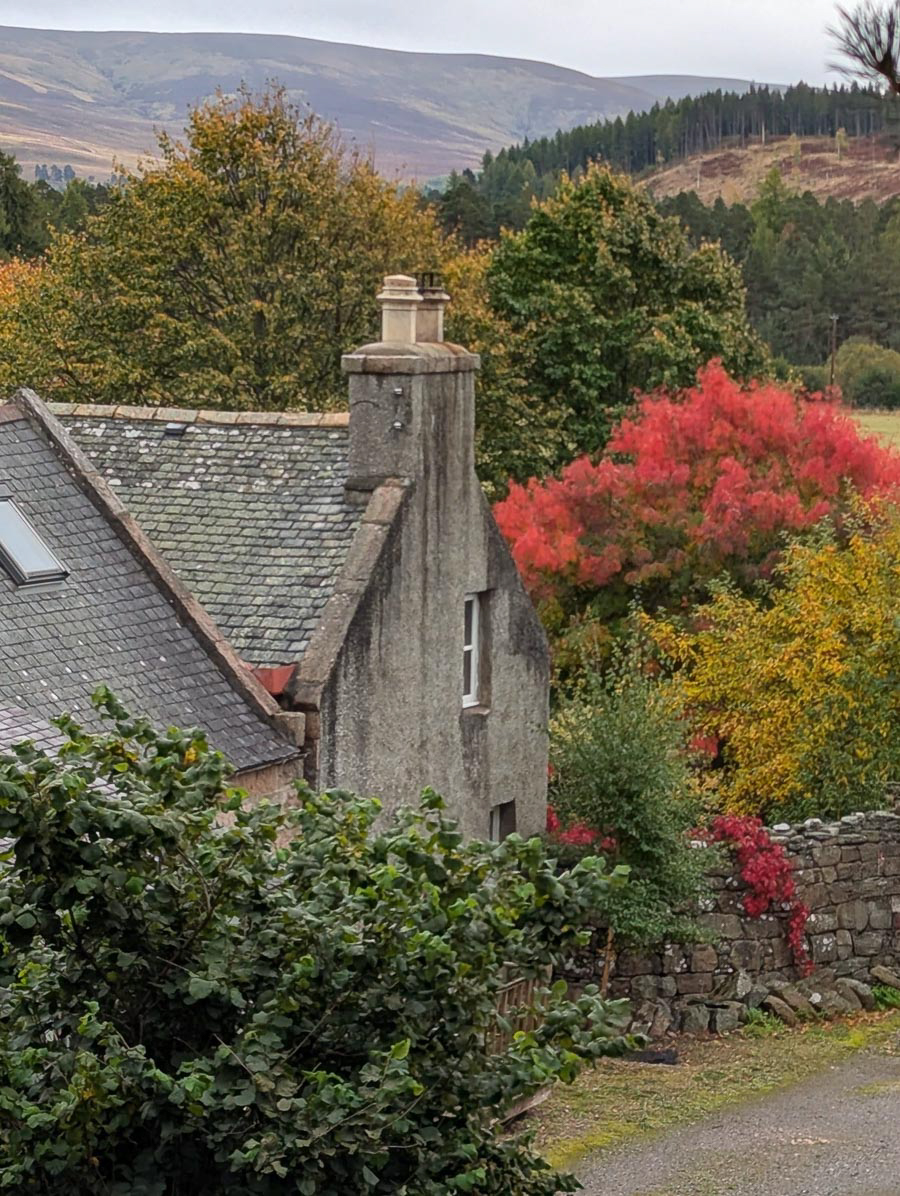
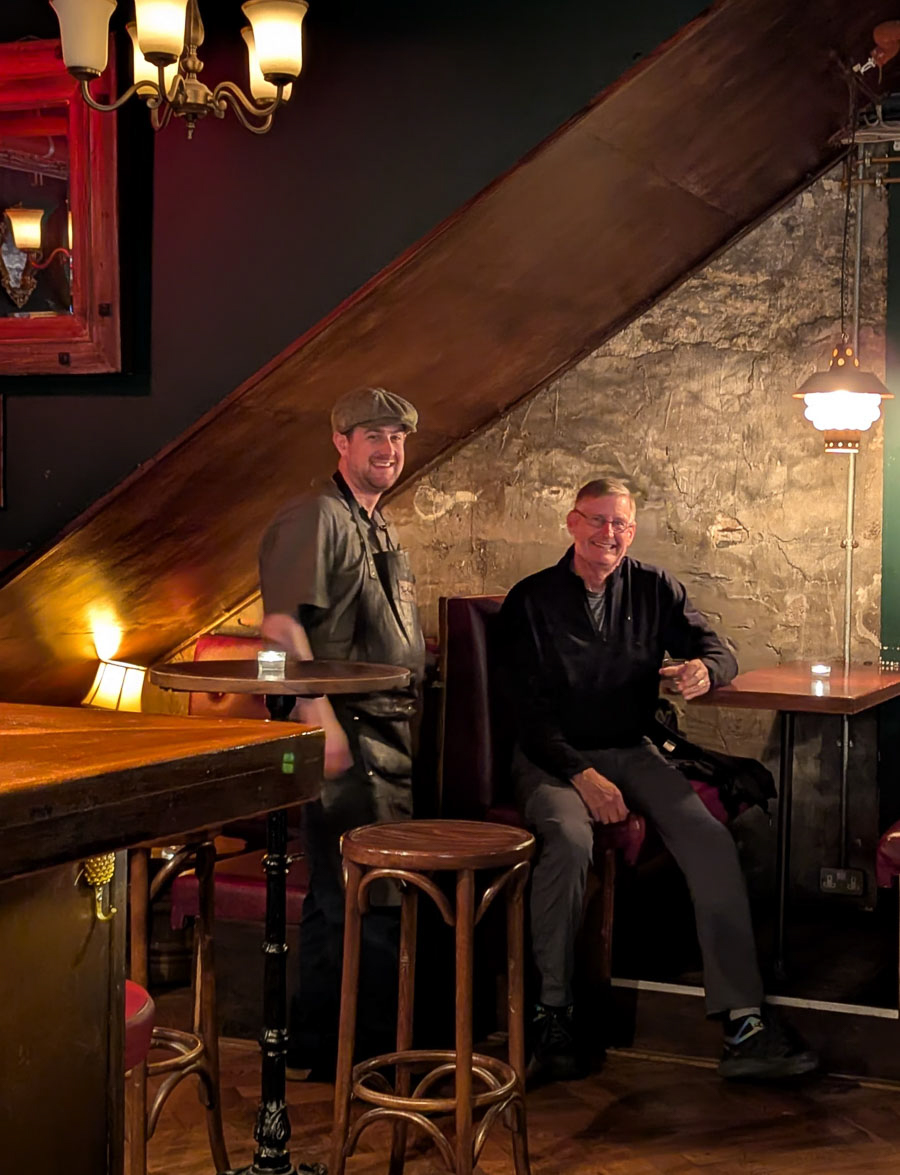
After a great housesit we traveled by bus through Cairngorms National Park spending time in the Balmoral Castle area and then on to Dundee. This fun Speak Easy was in a Dundee back alley with no marked door. We were making our way to Edinburgh to meet with Nathan and Amanda. We always look forward to traveling with them. We last traveled with Nathan in Italy and Amanda: Montenegro, Croatia and Hungary. They were both fun trips and we do and see things with their influence that are outside our normal swing-zone.
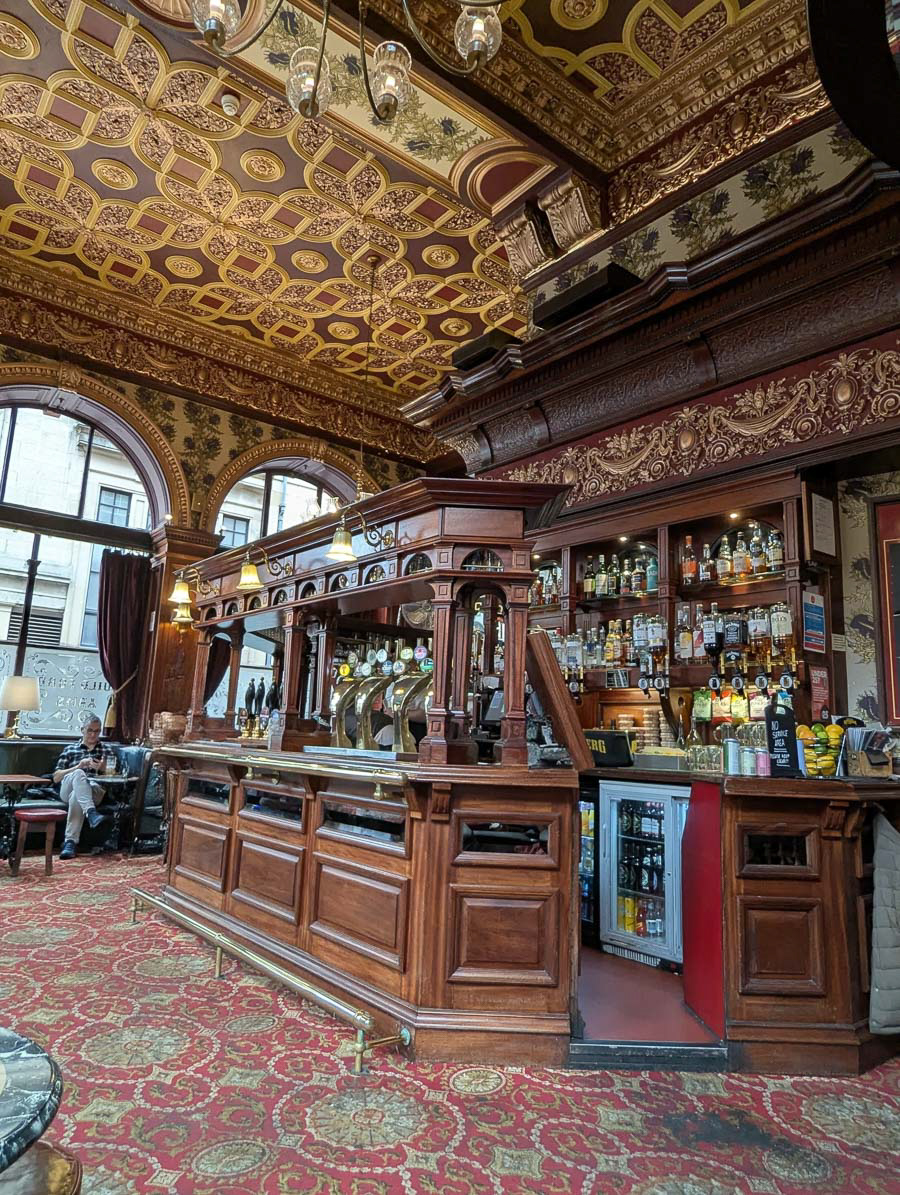
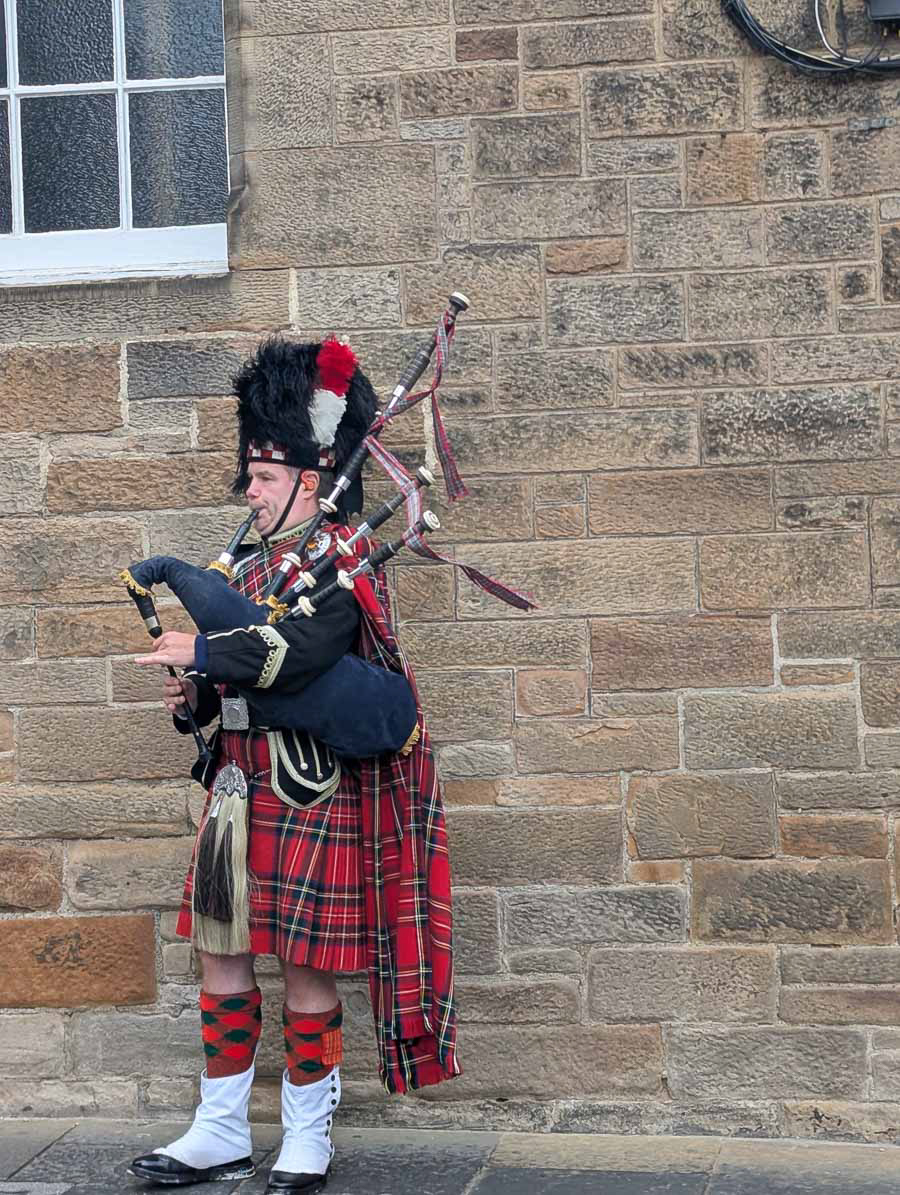
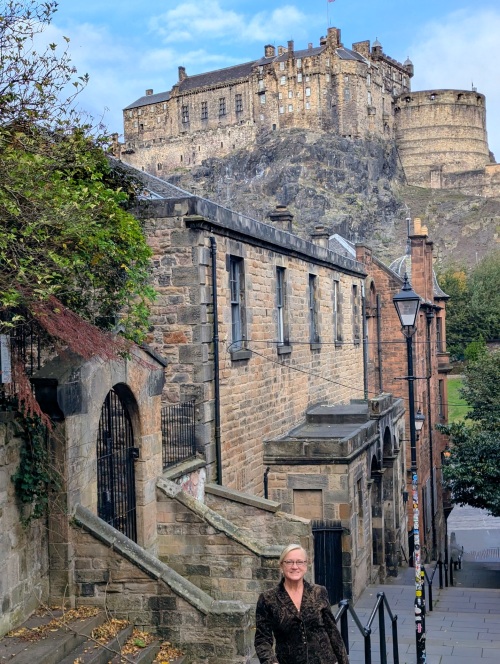
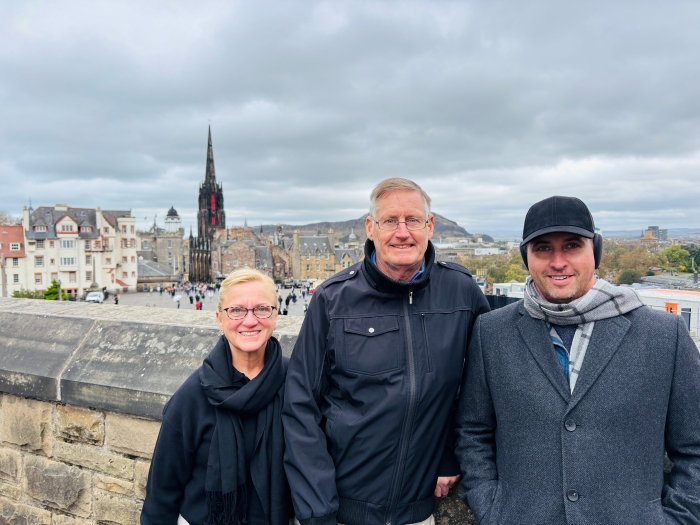
Edinburgh has been recognized as the capital of Scotland since the 15th century and is dominated by Castle Rock that has been inhabited since 1000BC. The Edinburgh castle sits atop Castle Rock and is a most impressive fortress.
Edinburgh has a long history of defensive battles against England. There are volumes of history books that tell the story of monarch clashes, religious differences and general animosity that continues through this day. Example: about 20 years ago JoDon and I were in a tiny bar in Port Said, Egypt. There were only two other tables occupied; two Scots at one table and two Englishmen at the other. Within 30 minutes there was shouting between the two tables over football (soccer), the Falkland war, and so-on. We were taken aback with the conflict and were naïve about their longtime hatred. We quickly left the bar.
Edinburgh has a long history of defensive battles against England. There are volumes of history books that tell the story of monarch clashes, religious differences and general animosity that continues through this day. Example: about 20 years ago JoDon and I were in a tiny bar in Port Said, Egypt. There were only two other tables occupied; two Scots at one table and two Englishmen at the other. Within 30 minutes there was shouting between the two tables over football (soccer), the Falkland war, and so-on. We were taken aback with the conflict and were naïve about their longtime hatred. We quickly left the bar.
As a result of the continual wars, Edinburgh was confined to its medieval walls. To accommodate the growing population in the 17th century Edinburgh had buildings 11 stories or more. By the 18th century Edinburgh was one of the most densely populated cities in Europe, and one of the most unsanitary.
A lot has changed over the years and Edinburgh is now one of the leading financial centers of the world, education, and the arts. In summary, it’s a great city (and cold).
A lot has changed over the years and Edinburgh is now one of the leading financial centers of the world, education, and the arts. In summary, it’s a great city (and cold).
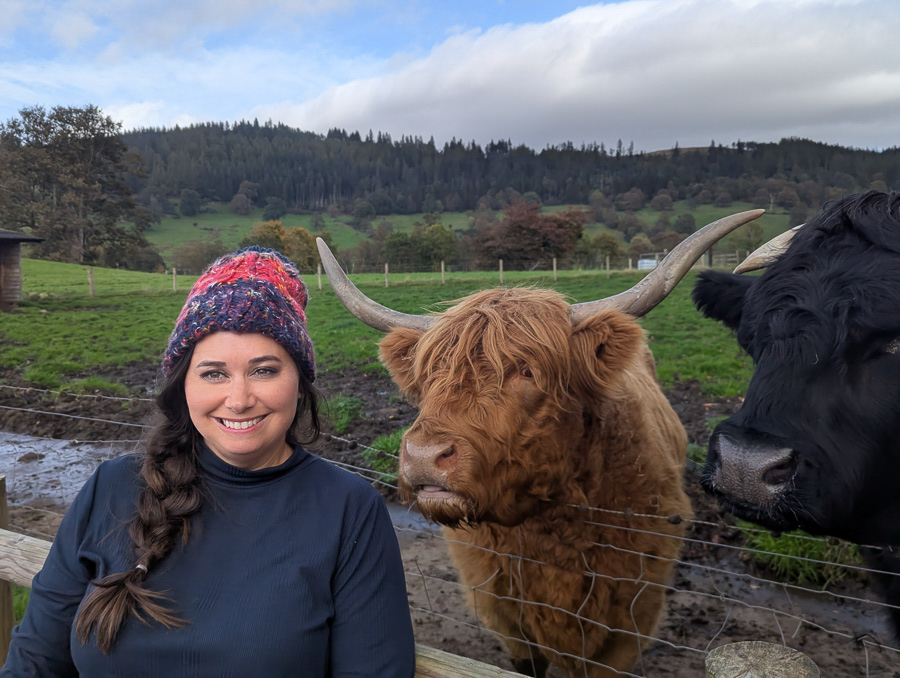
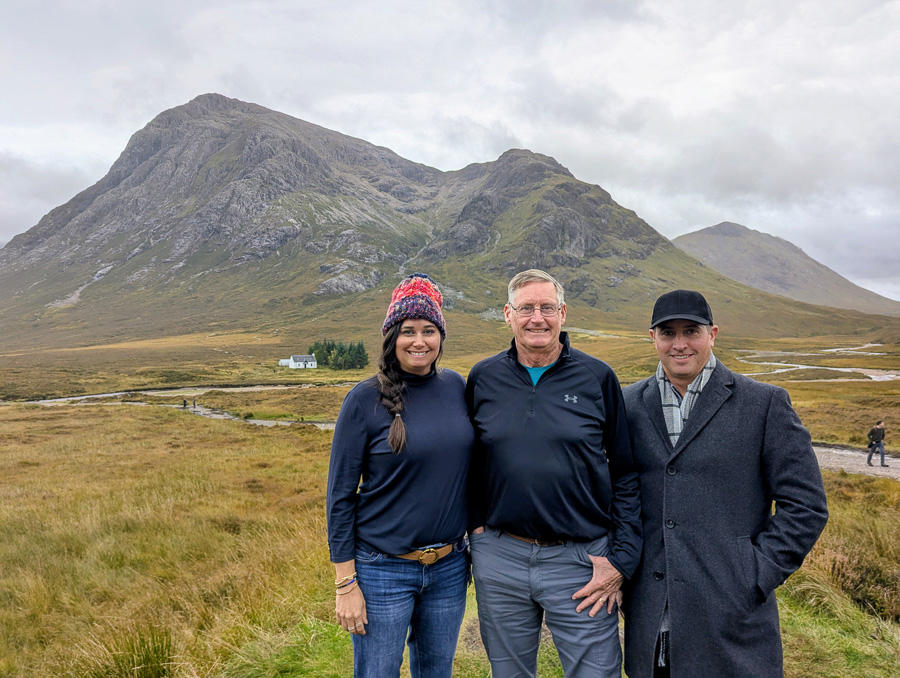
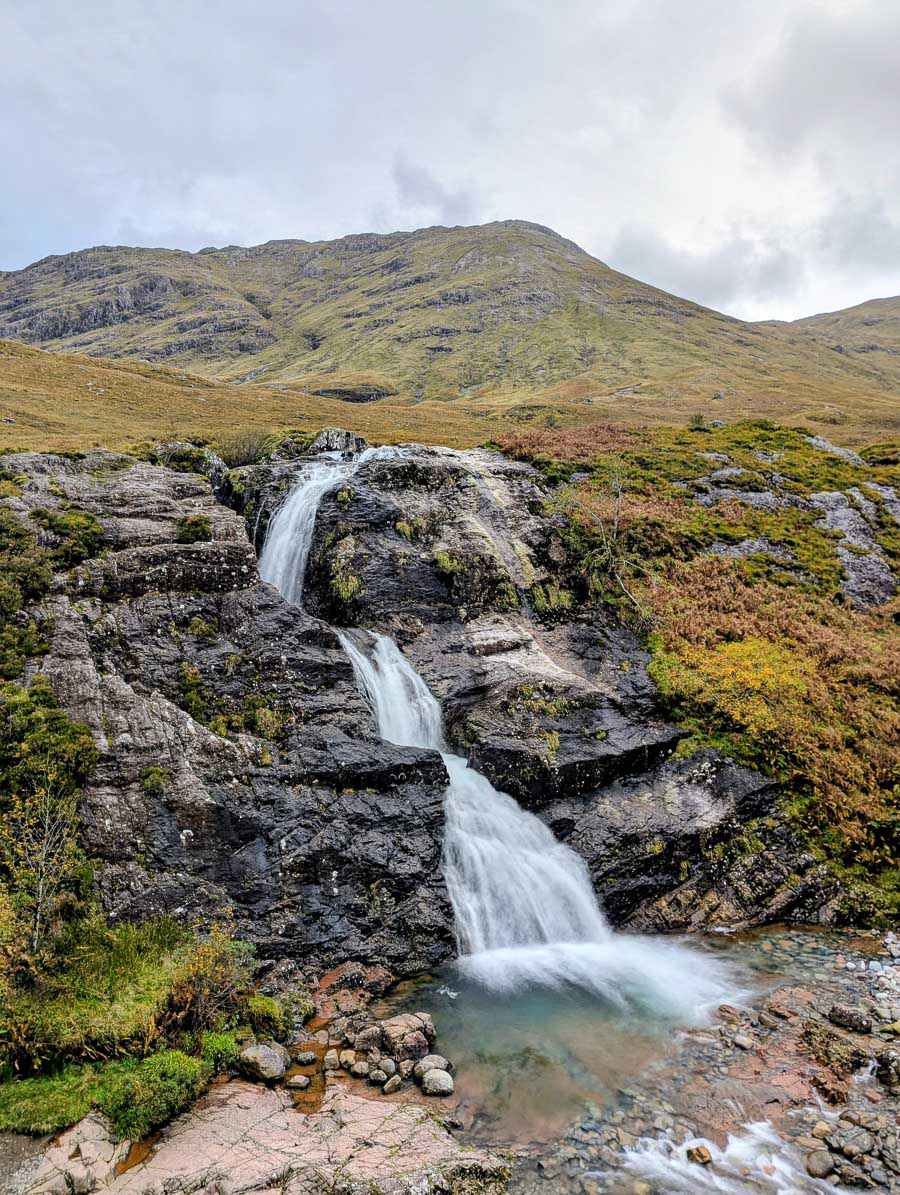
From Edinburgh we rented a car and drove through some of Sottish Highlands. It was refreshing to be out of city life and immersed in the bucolic scenery of the mountains, slopes, sheep, and numerous streams. AWESOME!
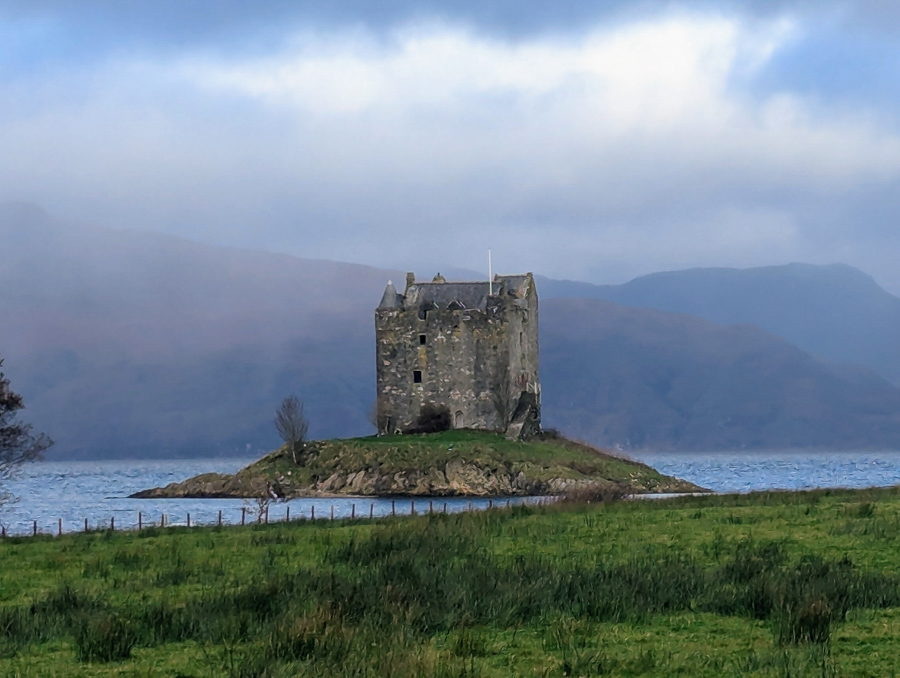
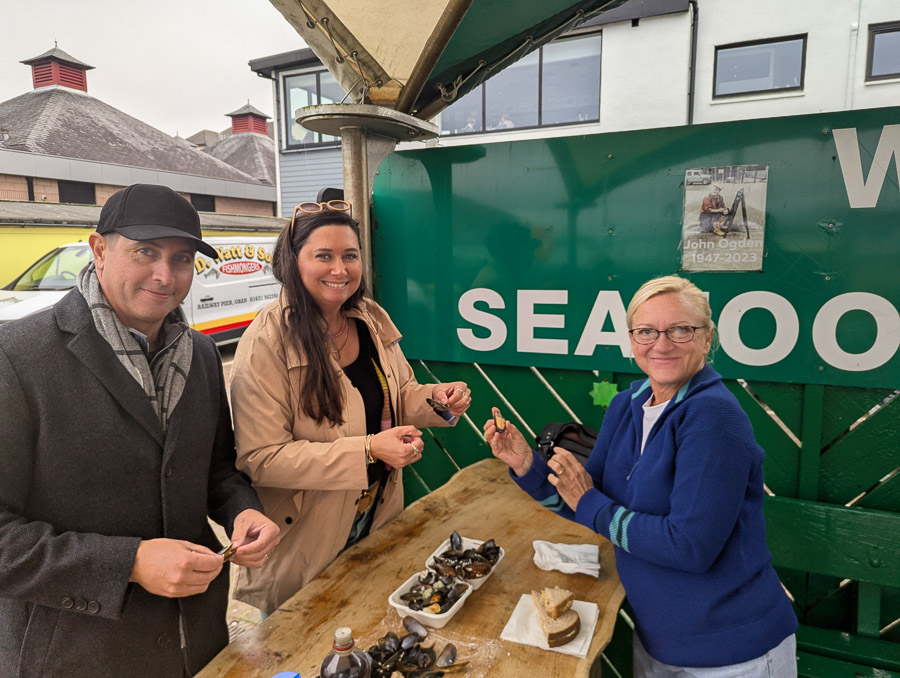
We made an obligatory stop at a whiskey distillery in Oban (Oh-Bin). The tour and whiskey were both great but we most enjoyed the VERY fresh seafood served from a shack located within the Oban harbor. You could taste the ocean!
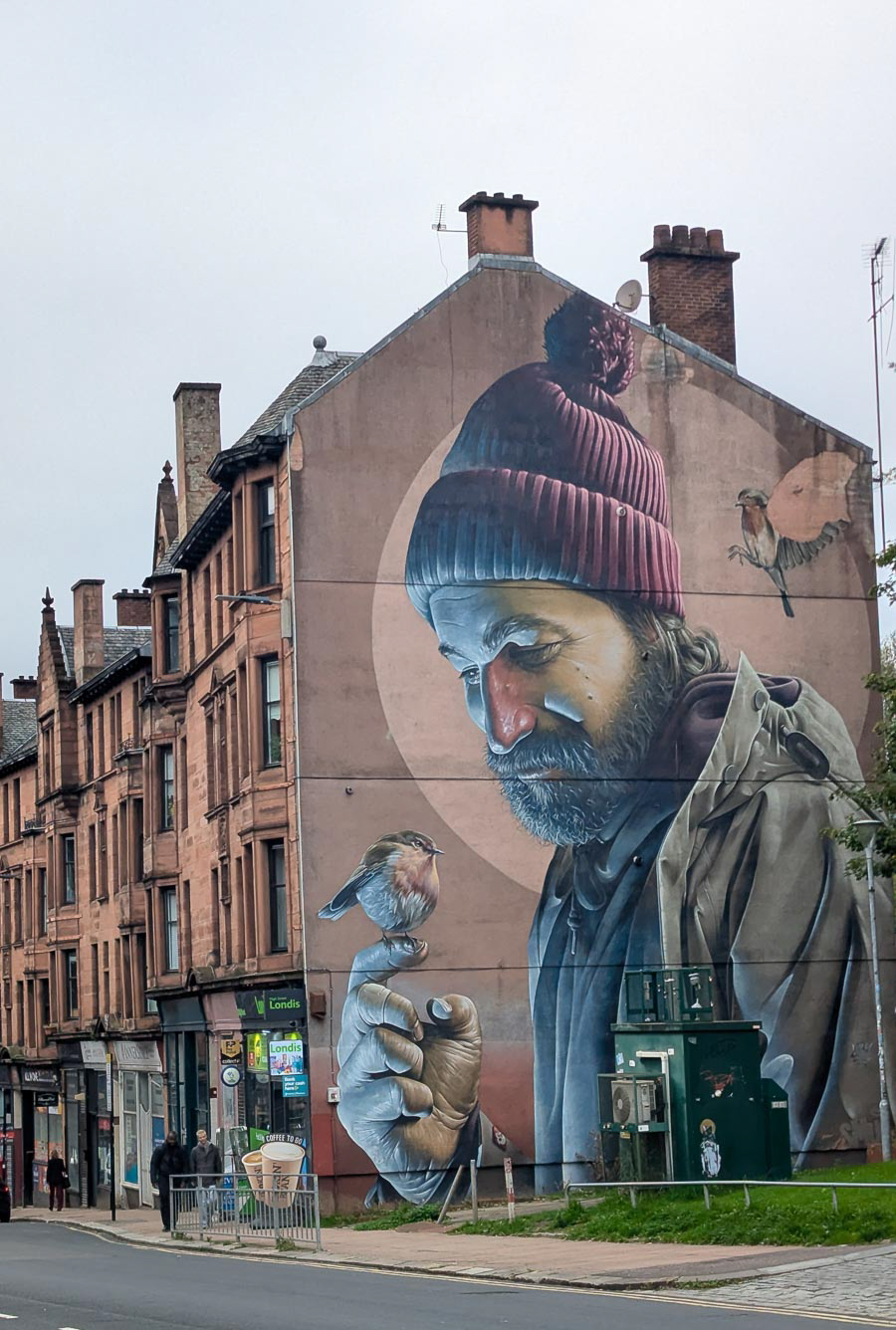
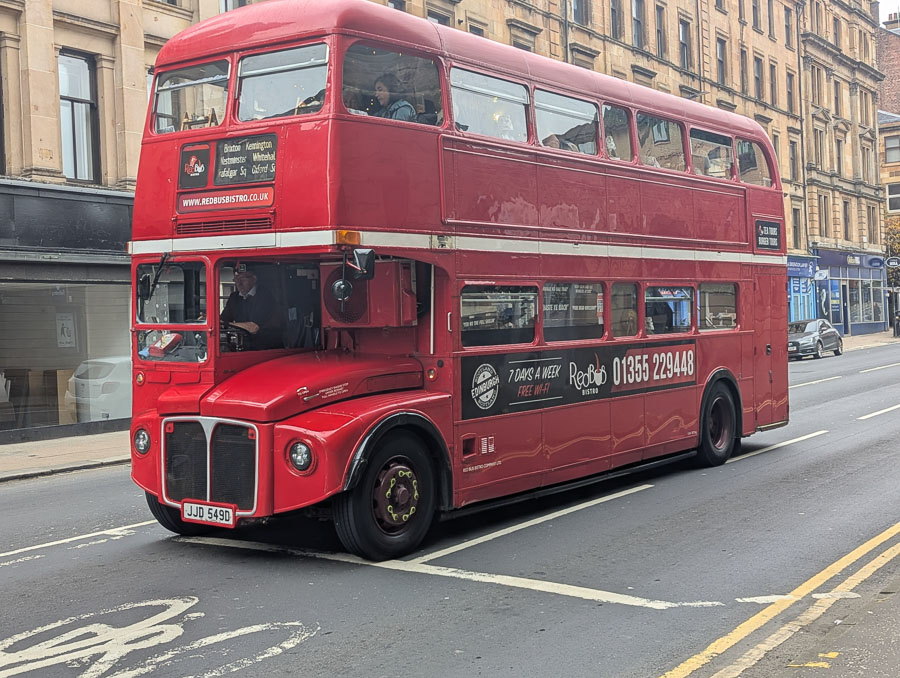
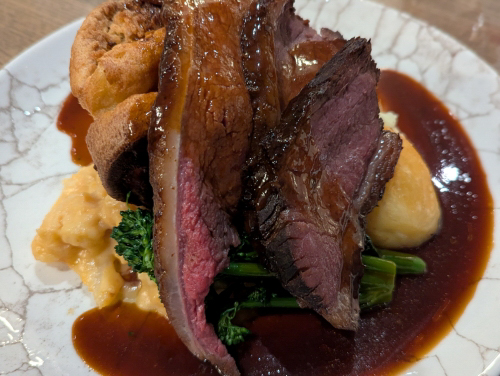
Next: back to the city life, Glasgow (Glas-go), the largest city in Scotland. Glasgow at one time was one of the world’s largest shipbuilding centers but that is long gone. Glasgow has now morphed into a modern university city with a pedestrian downtown area.
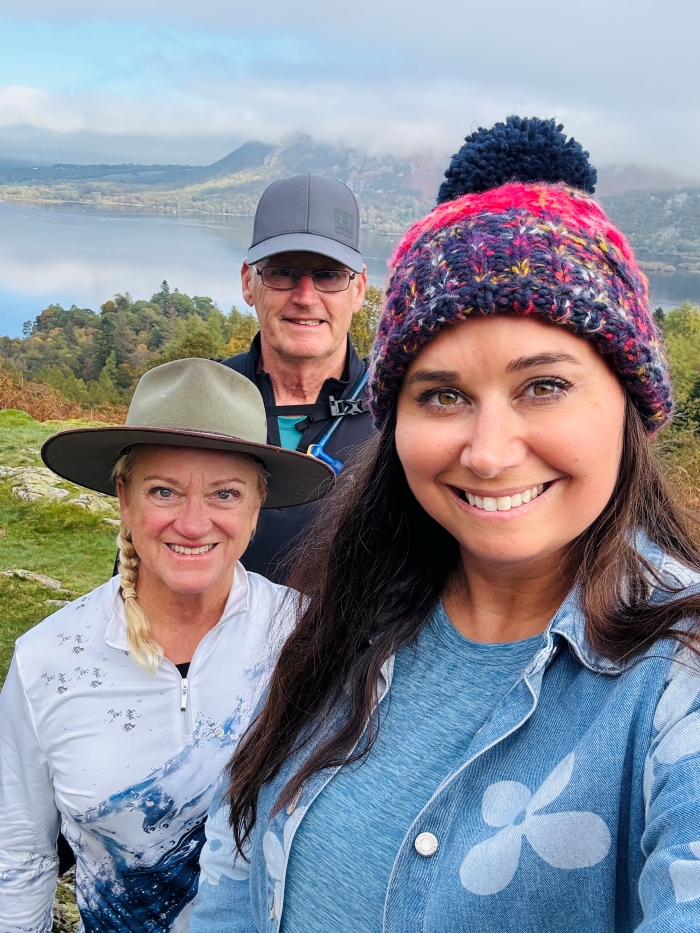
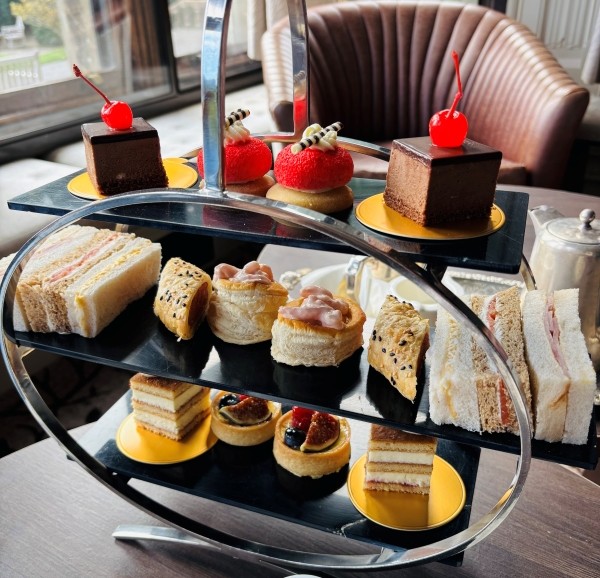
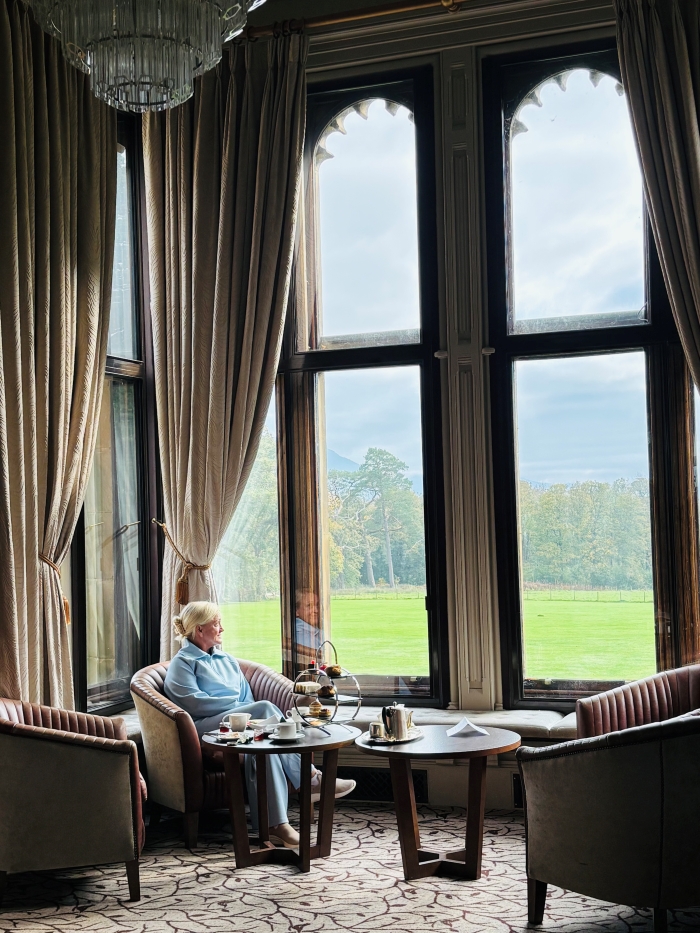
We said good-bye to Nathan so Amanda, JoDon and I drove to northern England for a much more relaxed pace that included hiking along a popular path that overlooked many lakes and mountains. JoDon and Amanda also had a spa day located in a castle that included afternoon tea. S.H.I.T. (Some Have It Tough). Northern England is beautiful with rolling hills and scenic views, but not as dramatic as Scotland (but warmer).
We concluded our tour with Amanda by staying in Durham (again), then she flew back to Austin via Newcastle and London. JoDon and I continued in our car south heading to London, but with a few stops.
We concluded our tour with Amanda by staying in Durham (again), then she flew back to Austin via Newcastle and London. JoDon and I continued in our car south heading to London, but with a few stops.
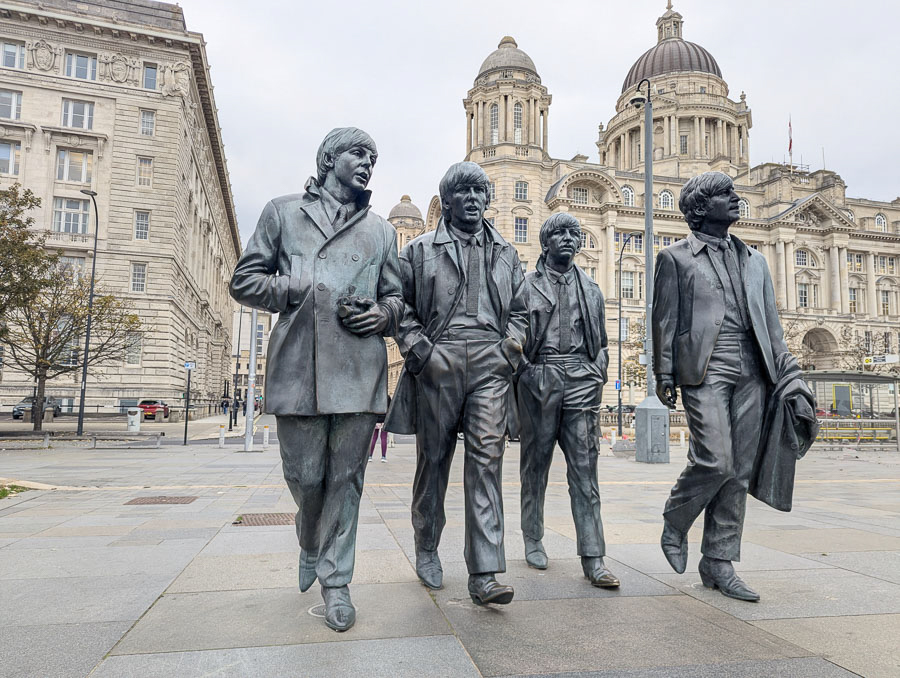
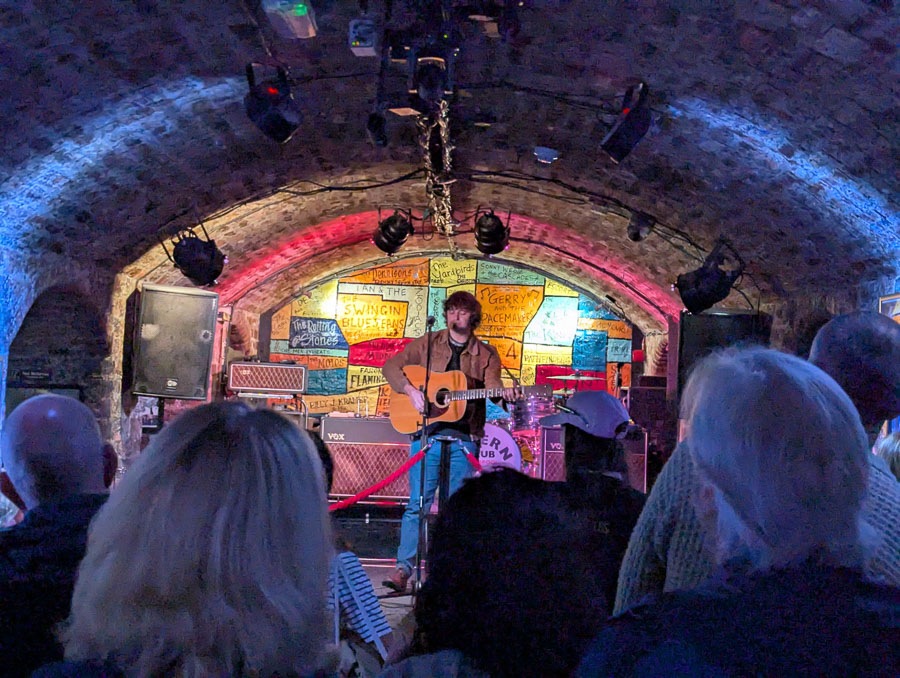
Stop #1 was Liverpool, England. Modern history has it as the home of the Beatles but Liverpool in the 1700’s-1900’s was a famous shipping center. Most of the immigrants from Europe departed from Liverpool, the most western port in England. At the height of the British Empire Liverpool was a wealthy city that fell into a steep decline with introduction of container ships. The Beatles helped revive Liverpool making it a tourist destination stop. We had fun tracing the Beatles: the underground night club they made famous, The Cavern, and in neighborhoods they incorporated it into their songs. EX: Penny Lane
In Penny Lane, there is a barber showing photographs
Of every head he's had the pleasure to know
And all the people that come and go
Stop and say hello
On the corner is a banker with a motorcar
And little children laugh at him behind his back
And the banker never wears a mac in the pouring rain
Very strange
In Penny Lane, there is a barber showing photographs
Of every head he's had the pleasure to know
And all the people that come and go
Stop and say hello
On the corner is a banker with a motorcar
And little children laugh at him behind his back
And the banker never wears a mac in the pouring rain
Very strange
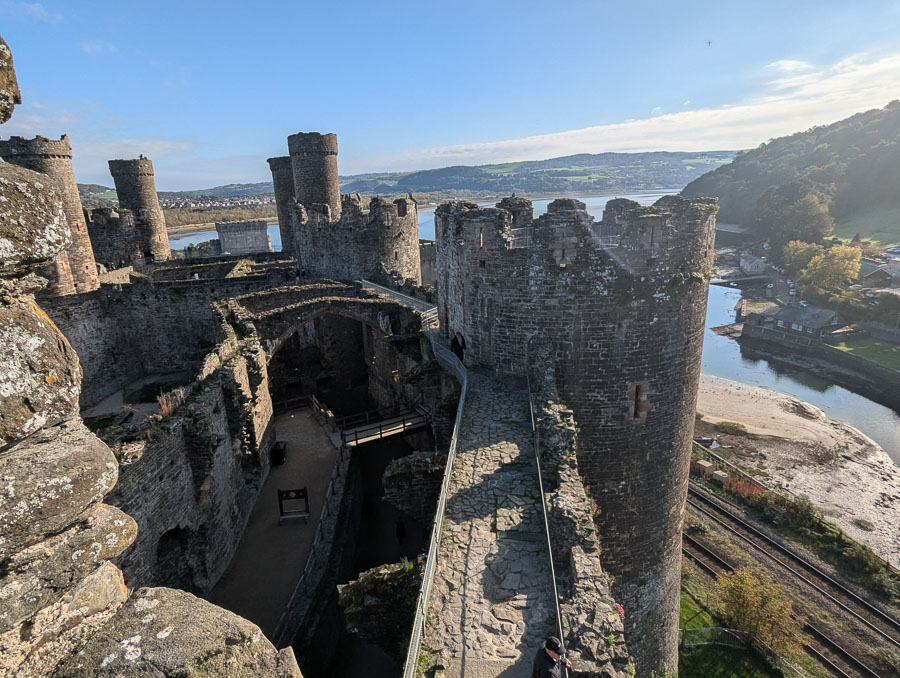
JoDon and I then made a quick spin through Wales, a country with too many syllables that makes many cities unpronounceable. Examples: Caerdydd (Cardiff), Casnewydd (Newport), Llanelwy (St Asaph) and Tyddewi (St Davids). Speaking and understanding is also a different experience. Wales is a compact country but with many beautiful castles and a myriad of hiking trails to explore.
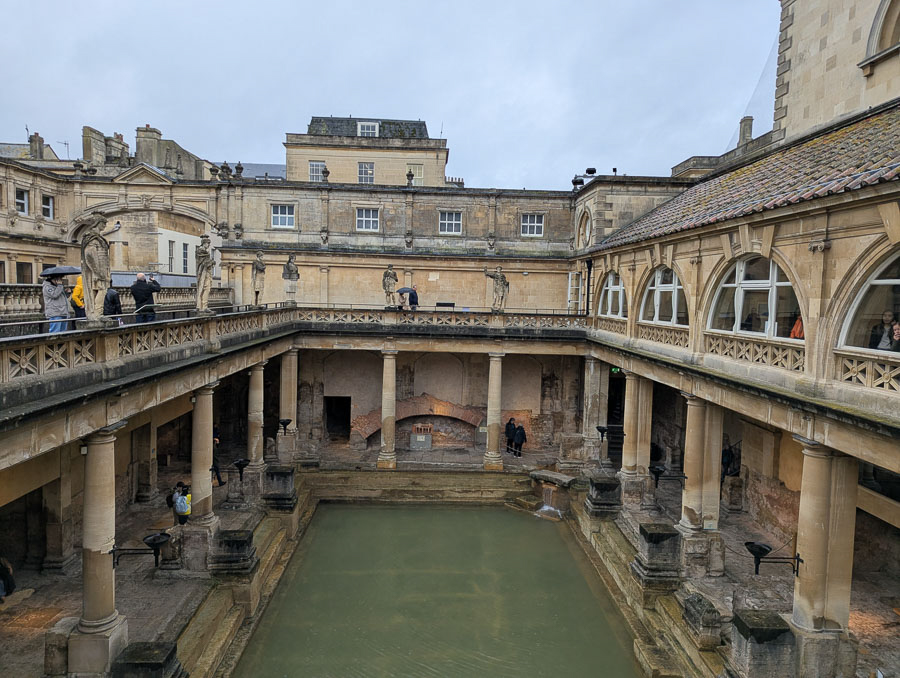
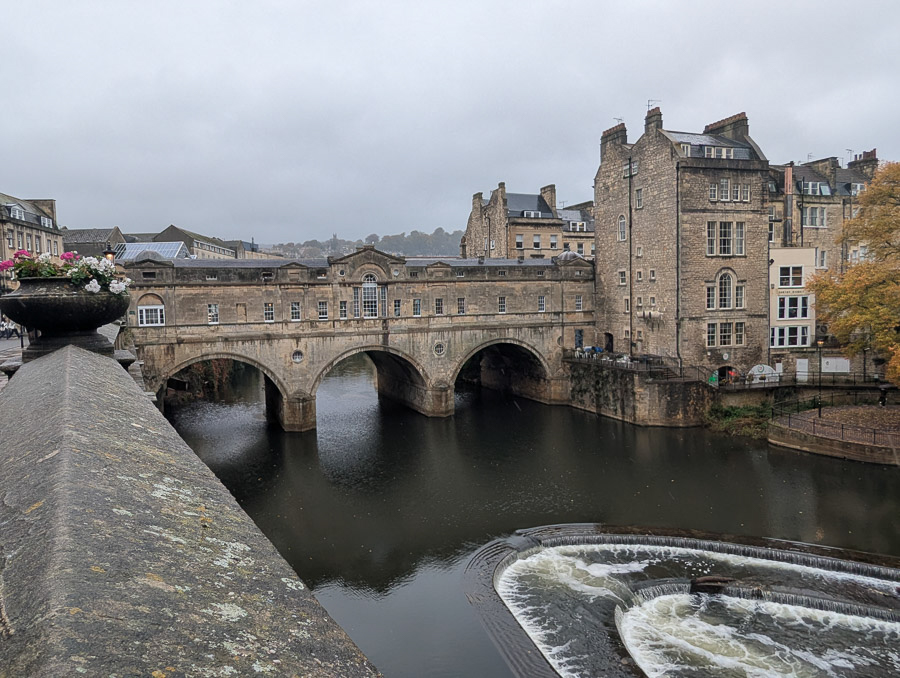
Then onward to enjoy Roman architecture at Bath, England. As the name implies, Bath was made famous by the Romans who used the natural hot springs around the first century. Over the next 300 years a giant bath house was built along with a temple dedicated to the goddess Sula Minerva. It’s a very impressive complex.
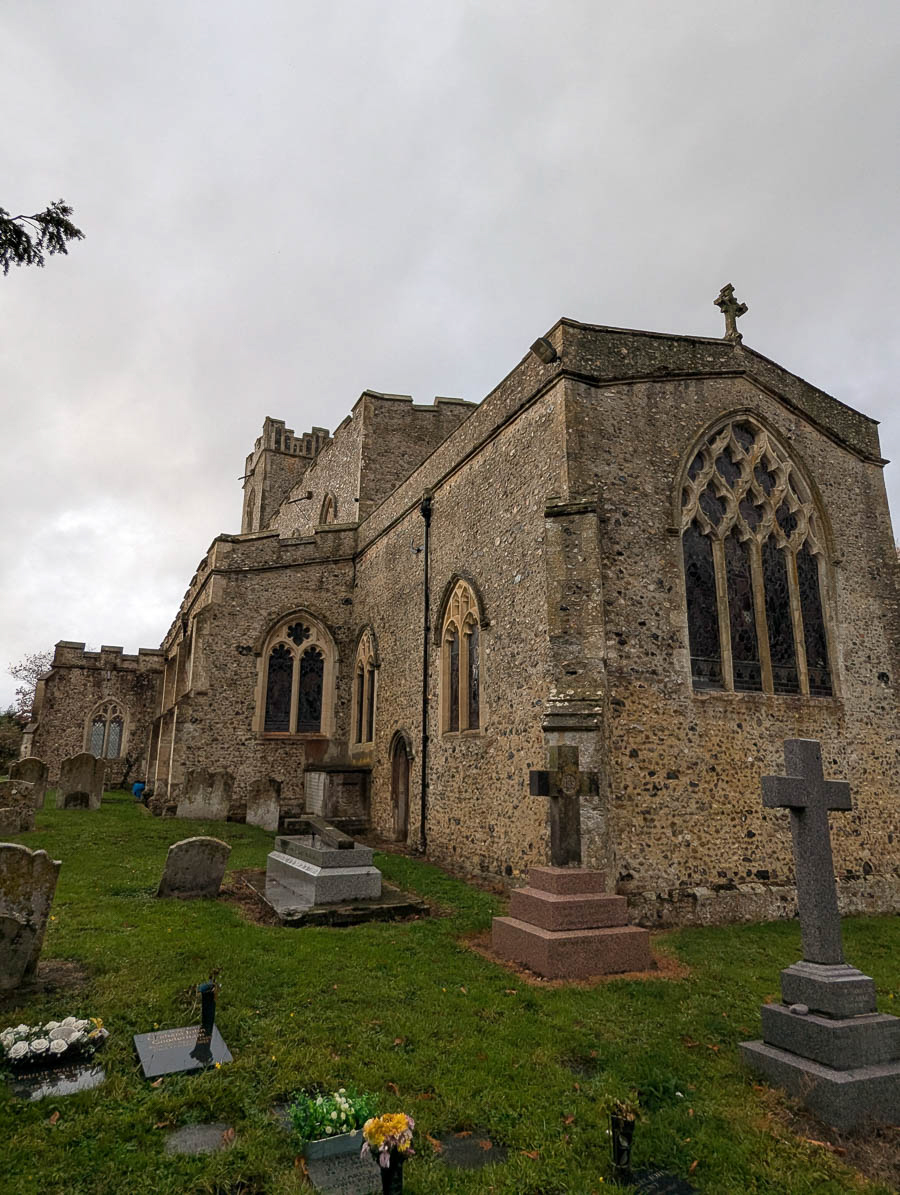
Afterward, JoDon once again followed her family genealogy. This time back to the late 15th century in Lavenham and Groton, England. The family link, Anne Winthrop, was the sister of John Winthrop who left England in 1630 and founded the city of Boston. He later became the first Governor of Massachusetts. The small village church where JoDon’s Grandfathers to the 15th and 16th are buried is still supported financially by the Winthrop family in America. When visiting the church we were lucky enough to come across a few parishioners who knew of JoDon’s family story. That is a lot of history!
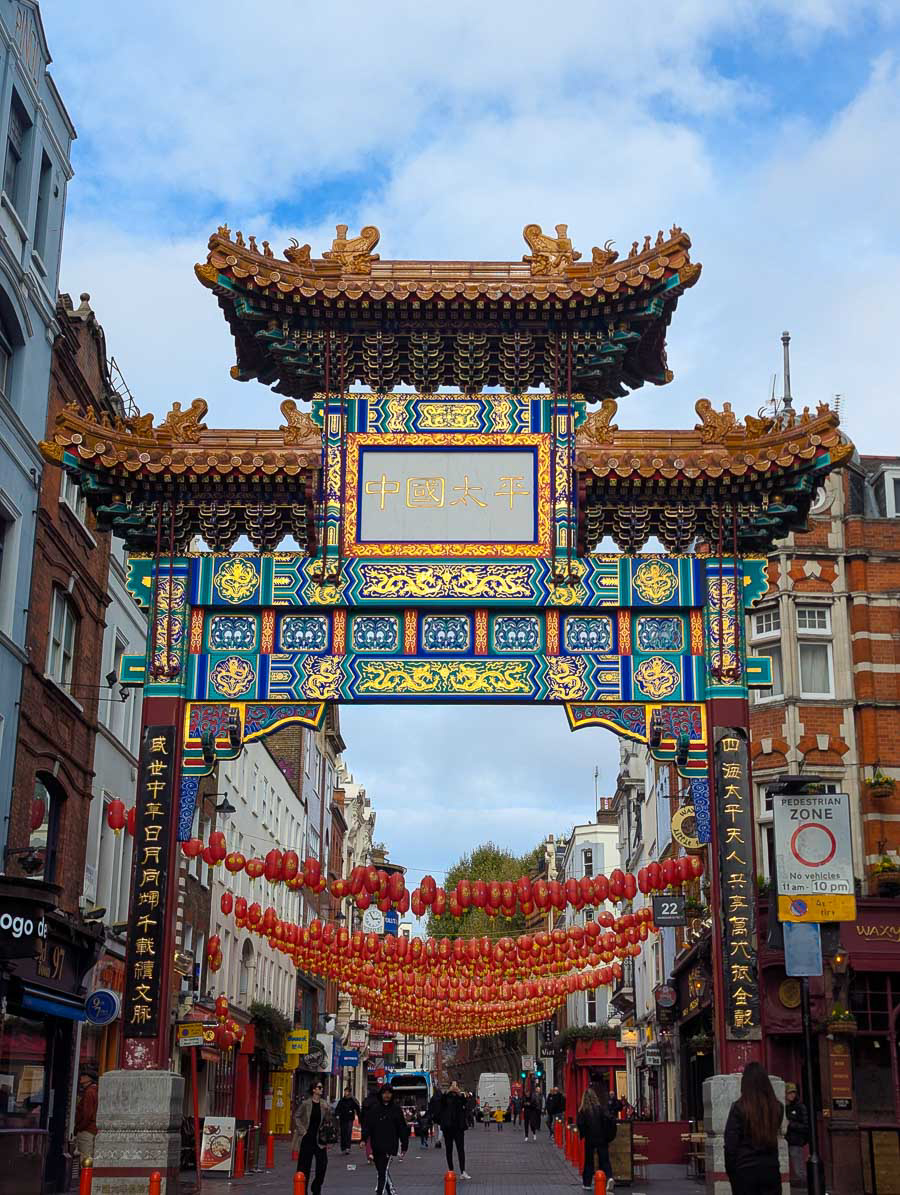
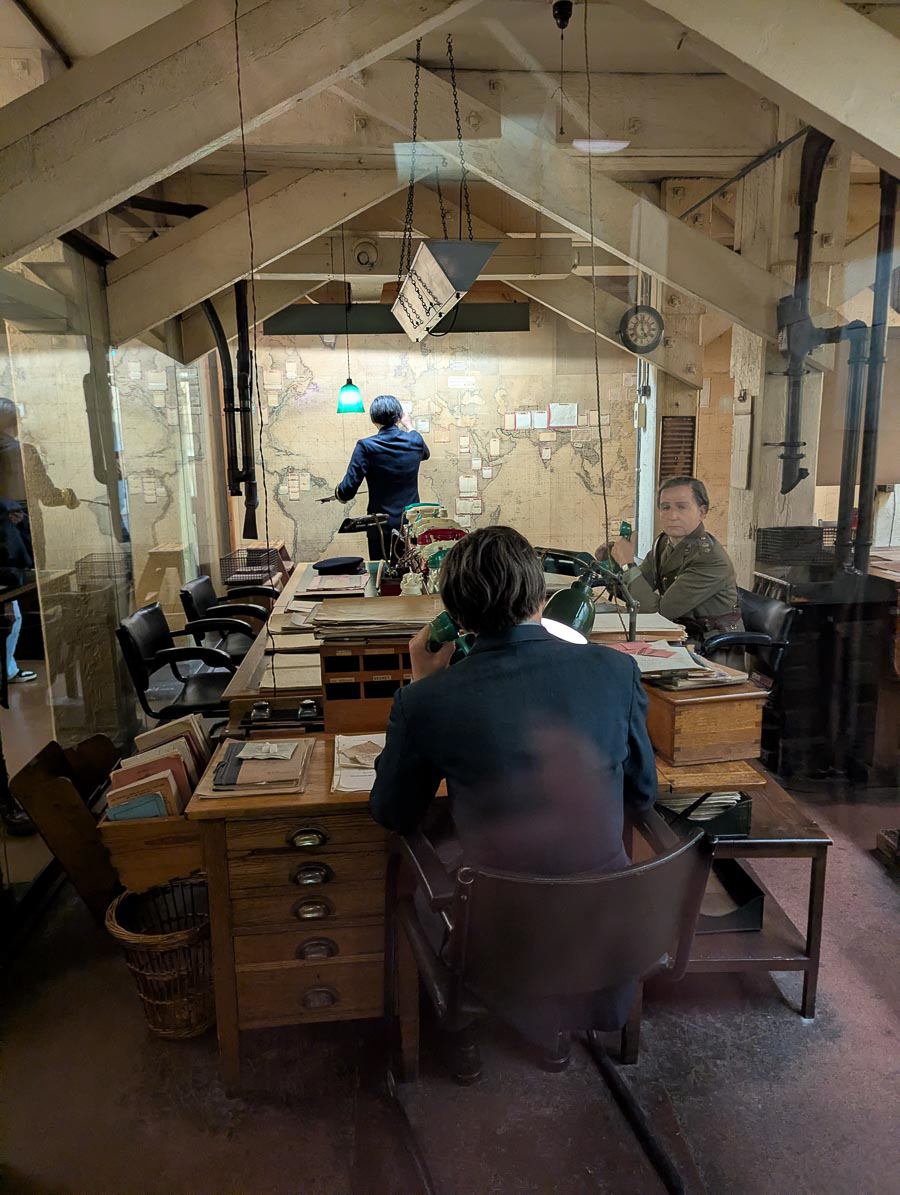
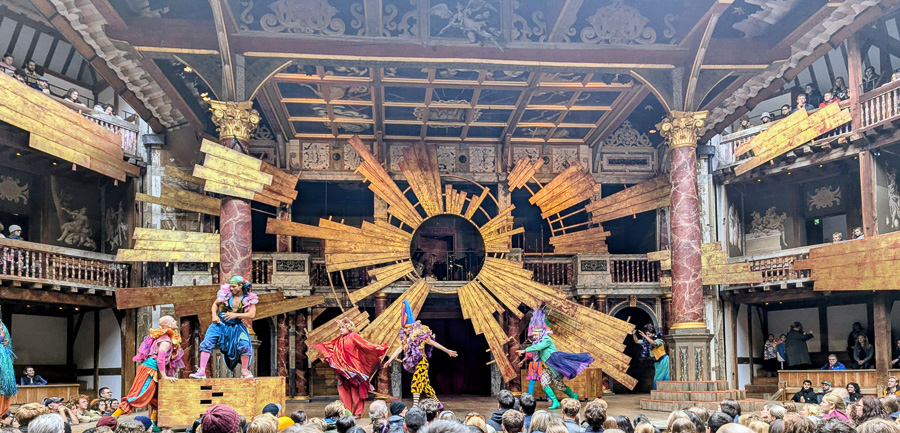
Then on to London. We took advantage of our last few days in London to hit the sights previously missed. One of the highlights was the Winston Churchill War Room Museum. During World War II Winston Churchill had a bomb proof underground bunker to lead their war efforts. At the conclusion of the war the bunker was left intact and now is open to the public. Interesting! We also made it to London Chinatown that was fun to walk through the neighborhood and one act of a Shakespeare play in the recreated outdoor theater.
It was a great three months!
Brian and JoDon
It was a great three months!
Brian and JoDon