JAPAN
Spring Break 2026
Spring Break 2026




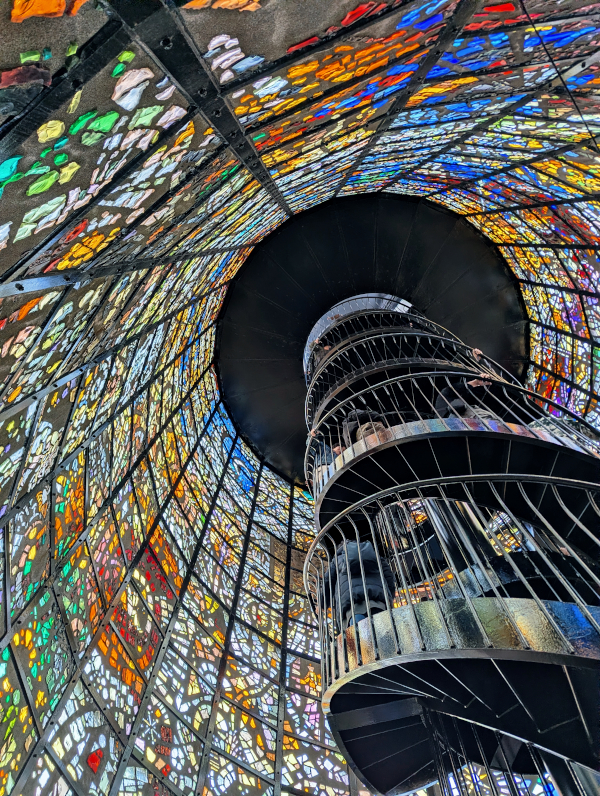


We had Japan on our wish list for several years but kept putting it off. Last year, grandies Olive and Will were all in; they were fascinated with anime. Gradually seven of us got onboard with the Japan travel idea: Ryan, Ashley, Olive and Will Hales + Brian & JoDon + Amanda Rawls. A VERY elaborate Spring Break holiday!
Why go to Japan?
1.Arguably the politest people in the world.
2.Japan is immaculately clean.
3.The transportation system within Japan is simple, efficient and 2nd to none. It’s a snap to travel within cities and throughout the country.
4.Japan combines natural beauty of the countryside and great cities that include majestical historical sites.
5.Japan created the industry and genre of anime (Japanese animation).
6.The direct flight from DFW is ONLY 14 hours!
1.Arguably the politest people in the world.
2.Japan is immaculately clean.
3.The transportation system within Japan is simple, efficient and 2nd to none. It’s a snap to travel within cities and throughout the country.
4.Japan combines natural beauty of the countryside and great cities that include majestical historical sites.
5.Japan created the industry and genre of anime (Japanese animation).
6.The direct flight from DFW is ONLY 14 hours!

After living in Hong Kong (HK), it was natural to make the comparison between the two. There are many differences and many similarities but Japan wins the award for politeness. As a culture, they are eager to please and not confrontational. I do not recall two Japanese arguing but in HK it is a common occurrence. Simple examples of the culture: when a train conductor is entering/exiting a train car, he/she will face the passengers and bow. Also, if a convenience store clerk was helpful, after paying I would bow to them and they would bow to reciprocate.


Another difference is Japan is Disneyland clean. The streets have no litter, cigarette butts, etc. Ironically, there are no trash cans on the streets. About 30 years ago, some Japanese crazies released deadly serin gas cannisters in trash cans injuring 5,000 and killing about 15. With no trash cans you put your trash in your pocket or carry a trash bag.
Getting around Japan is surprisingly super easy, all signs are labeled in Japanese and English. Upon arrival you can purchase a card that is valid for subways, trains, grocery stores, etc. To top off your card just go to any convenience store. Subways are clean, the passengers are polite, and, they run on time. The Shinkansen (bullet trains) travel up to 200mph so city connections are easy, comfortable, and quiet. You can cancel your Shinkansen train reservations within ten minutes of departure times and re-book at no charge. The bullet trains are scheduled about every 15 minutes and they measure their schedule on-time by seconds, not minutes.
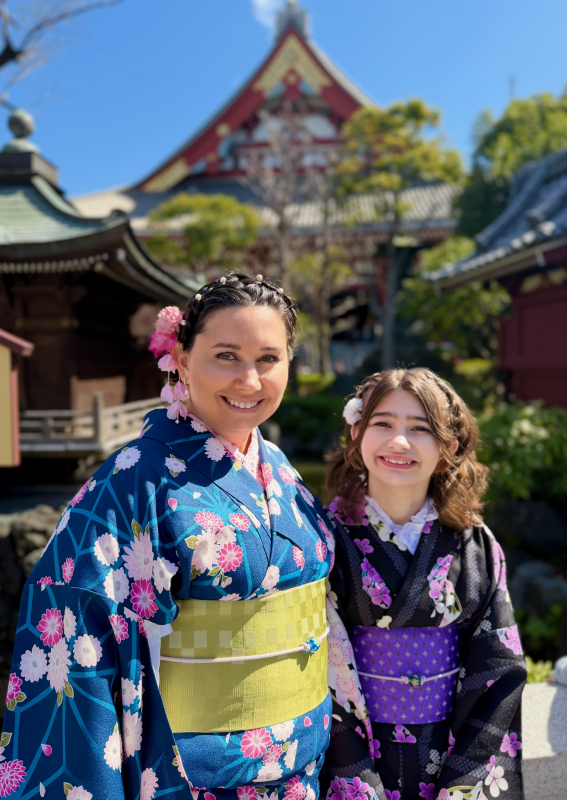
Immediately upon arrival in Tokyo we did an evening stroll through the Senso-ji Temple that was only a few blocks from our hotel. It was spectacular. The big surprise was the next day when we went from solitude to the same temples overrun with tourists. Both were good. We spent three nights in Tokyo enjoying big city life (population, 33 million) and enjoyed every minute. There are large parks, temples, skyscrapers, restaurants, street food, museums, etc. to keep you entertained.
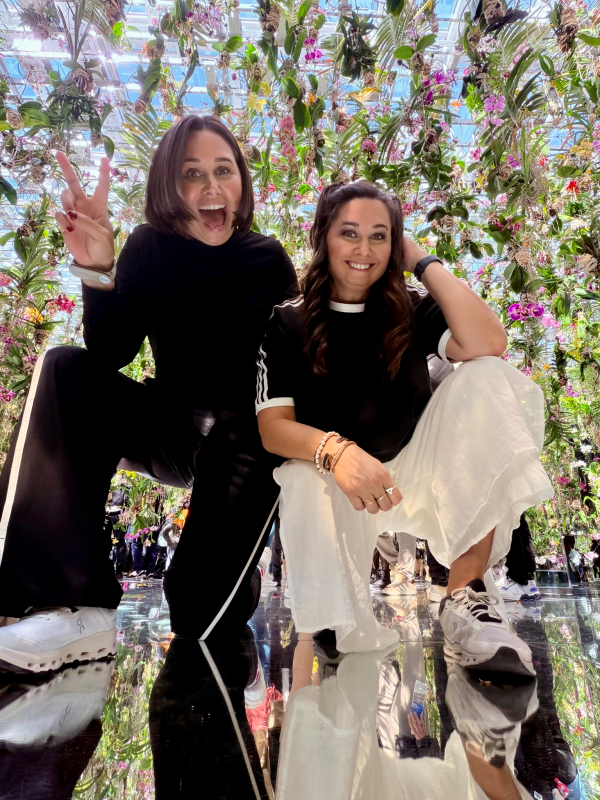
One popular modern tourist site is TeamLab Planet. It can be compared to the U.S. version of Meow Wolf, but much more advanced. It is difficult to describe the venue because it is a combination of many wild thoughts and ideas. One section you walked in almost knee-deep water and they distorted what you saw with lights, lasers, and reflections. Another section had you draw something to add to their animated aquarium. They would take your sketch and then display it on the animated aquarium but in 3-D with movements. Another section had orchids suspended on moving vertical conveyors. Again, difficult to describe but genius.
From Tokyo our group split up for one day. The Hales family went to the Ghibli Park and the rest of us went to the mountain village of Hakone. Both were great and complete opposites.

Hakone is a small city known for its hot springs (onsen), mountain hiking, views of Mt. Fuji and traditional Japanese inns (ryokans). Let me start with a brief explanation of onsens.
Japan is a volcanic island so there are abundant hot springs all over the country. Through centuries Japanese took advantage of the thermal waters by establishing public bath houses; most homes did not have running water. Bathing in communal springs became a tradition that continues. In all traditional hotels, and most modern hotels, there are onsens. In rural sites the thermal water is natural, in cities it is artificial. The onsens are designated male or female, and that is determined by your physical characteristics. Children under six years of age can enter either onsens. If you have tattoos you are not allowed to enter onsens unless the tattoos are covered by a bandage (Japan has tattooed gangsters, Yakuza). All hotels provide pajamas and instructions for where they are allowed in public, everyone wears them to the onsen facility. Before entering the baths you must remove all clothing and store them with your drying towel in a locker. Bathing suits are not allowed. Next, shower with soap while sitting on a low stool. You only carry a small towel and you put it on top of your head, not on the side of the pool while soaking. Most hotels have an indoor and an outdoor onsen plus oversized bath tubs. Splashing and loud talking are verboten. When finished, you return to the shower and use the small towel to remove excess water. Inside the locker room use your large towel to dry off. It’s quite addictive, we used the onsens early in the morning and in the evening/night and they became a very relaxing routine.
Japan is a volcanic island so there are abundant hot springs all over the country. Through centuries Japanese took advantage of the thermal waters by establishing public bath houses; most homes did not have running water. Bathing in communal springs became a tradition that continues. In all traditional hotels, and most modern hotels, there are onsens. In rural sites the thermal water is natural, in cities it is artificial. The onsens are designated male or female, and that is determined by your physical characteristics. Children under six years of age can enter either onsens. If you have tattoos you are not allowed to enter onsens unless the tattoos are covered by a bandage (Japan has tattooed gangsters, Yakuza). All hotels provide pajamas and instructions for where they are allowed in public, everyone wears them to the onsen facility. Before entering the baths you must remove all clothing and store them with your drying towel in a locker. Bathing suits are not allowed. Next, shower with soap while sitting on a low stool. You only carry a small towel and you put it on top of your head, not on the side of the pool while soaking. Most hotels have an indoor and an outdoor onsen plus oversized bath tubs. Splashing and loud talking are verboten. When finished, you return to the shower and use the small towel to remove excess water. Inside the locker room use your large towel to dry off. It’s quite addictive, we used the onsens early in the morning and in the evening/night and they became a very relaxing routine.
I will now discuss ryokans, a traditional Japanese inn offering an immersive cultural experience, typically featuring tatami mat rooms, futon bedding (comforters laid out on the tatami mat), hot spring baths (onsen), and exquisite multi-course (kaiseki) meals. Many of the ryokans are very old and located in rural, beautiful locations, like the small city, Hakone. In our hotel we were assigned a hostess that attends to your needs despite language obstacles. Dinner is served at a set time and our hostess served the nine-course dinner in our room. Our room had a very low dining table but with a cut-out in the floor for leg comfort. All of the nine courses were a thing of beauty with delicate flowers and other creative decorations. After dinner, off to the onsen! Afterward our rooms were laid out with thick comforters (futon) on top of the tatami mat floor.
The next morning, we woke up to rain and fog… we must return to Hakone to see the mountains and views! Oh well!
The next morning, we woke up to rain and fog… we must return to Hakone to see the mountains and views! Oh well!
While we were enjoying Hakone, the Hales family was visiting Ghibli Park, one of their trip highlights. Studio Ghibli is a renowned Japanese animation studio celebrated for its enchanting storytelling, breathtaking animation, and profound themes that explore nature, humanity, and the complexities of life. The films are characterized by their rich storytelling and stunning visuals. This theme park immerses visitors in the worlds of Studio Ghibli films through life-sized exhibits, themed areas, and interactive experiences. Unlike traditional amusement parks, Ghibli Park focuses on immersive storytelling and detailed recreations rather than roller coasters or costumed characters.



Our group re-united in the city of Kyoto, the imperial capital of Japan for over a thousand years, until the capital was moved to Tokyo in 1868. Kyoto was spared from the bombing of WWII (a U.S. Army general had spent his honeymoon in Kyoto and ordered no bombing) so many of the centuries old religious temples and gardens remain intact. Kyoto is a spread-out city and you can spend weeks visiting the sights. Since we had limited time we hired a guide, Yoshi, with a van and driver and hit the highlights in one day.
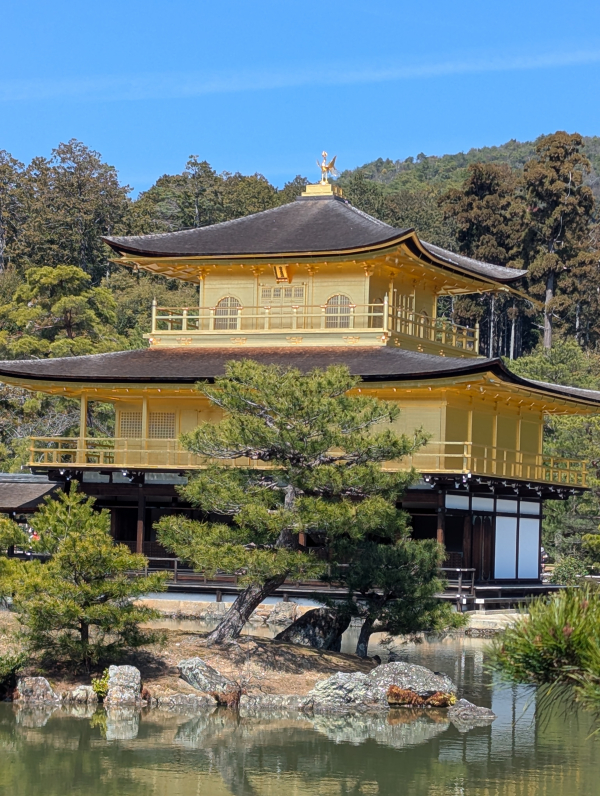
This blog will not describe the details of each historic site; there is simply too much to report. Most of the things to see in Kyoto are religious sites or vast gardens built by powerful rulers to impress their own people or foreigners. One world-famous Zen Buddhist Temple is Kinkaku-ji, widely known as the Golden Pavilion. The ground floor was originally built in the 1397 as a retirement villa for a shogun (a military dictator; the emperor was a symbolic religious figure) and converted to a Zen temple after his death. The two top floors are covered in pure gold leaf surrounded by a reflective pool. Our guide was very informative and the driver/van was an efficient use of time.
While at the Shinto shrine, Fushimi Inari Taisha, we used prayer sheets, Ema, to write a prayer of well wishes for baby, Eva Marie, our newest cousin/niece. We then hung the prayer at the shrine for the kami (spirits/deities) to receive. All the best to Evie from Japan!
While at the Shinto shrine, Fushimi Inari Taisha, we used prayer sheets, Ema, to write a prayer of well wishes for baby, Eva Marie, our newest cousin/niece. We then hung the prayer at the shrine for the kami (spirits/deities) to receive. All the best to Evie from Japan!


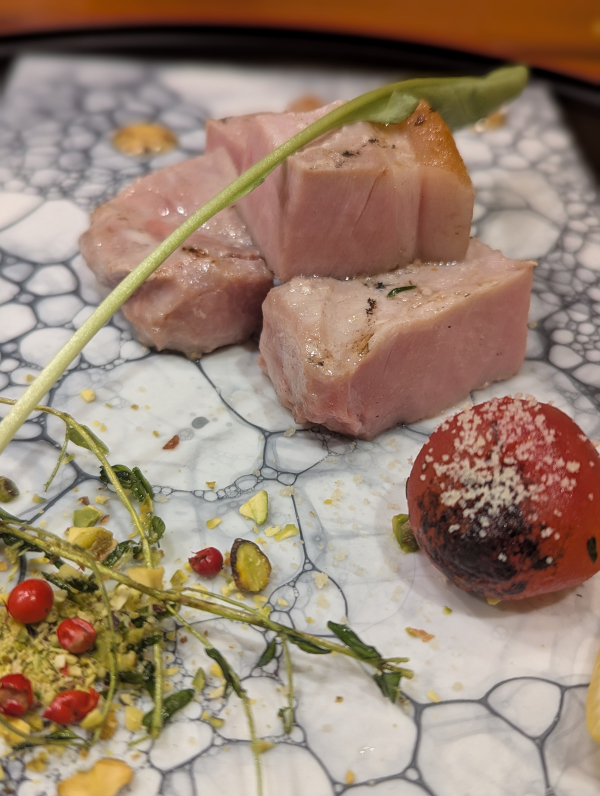
That same night we splurged on a Wagyu multi course dinner highlighted with a geisha performance in a private room. The geisha performer was accompanied by a musician playing the shamisen, a traditional three-stringed plucked instrument similar to a guitar. It was a very dramatic scene but it became lively when the performers introduced us to a shell game played to an ever-increasing speed. It was a lot of laughs, especially after a few beers!

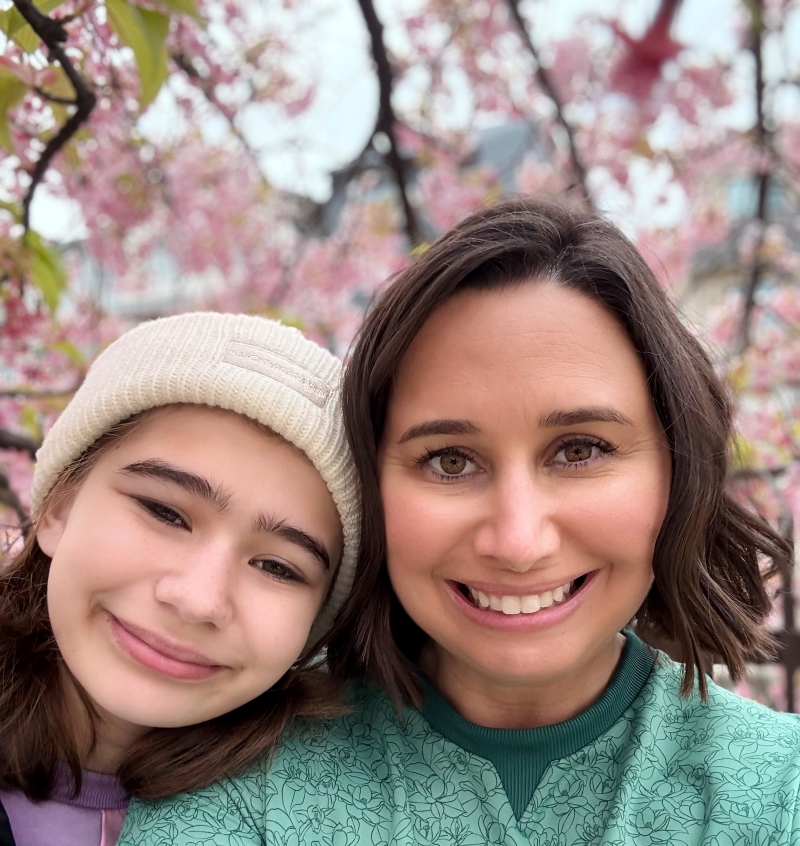
In our first week in Japan, we were diligent and found a few early blooming cherry trees!! Three weeks later cherry blossoms were everywhere; it was awesome!
We spent our second day in Kyoto traveling to nearby Osaka for a sumo wrestling tournament. Sumo (Japanese: striking one another) is the national sport of Japan, originating in Japan over 1500 years ago. Obtaining tickets for a tournament is a difficult process. One month before the tournament the tickets dropped. JoDon and I had two computers opened ready to purchase the tickets and a plan of which tickets to buy. The problem was an overwhelming demand for tickets and the website continually crashed from too much demand. After many, many attempts we secured four good tickets before the event was sold out about 1.5 hours after it opened. We then purchased the last three tickets from a tour agency at a premium price. Local Japanese were impressed we were able to get ANY tickets since they are in very high demand.
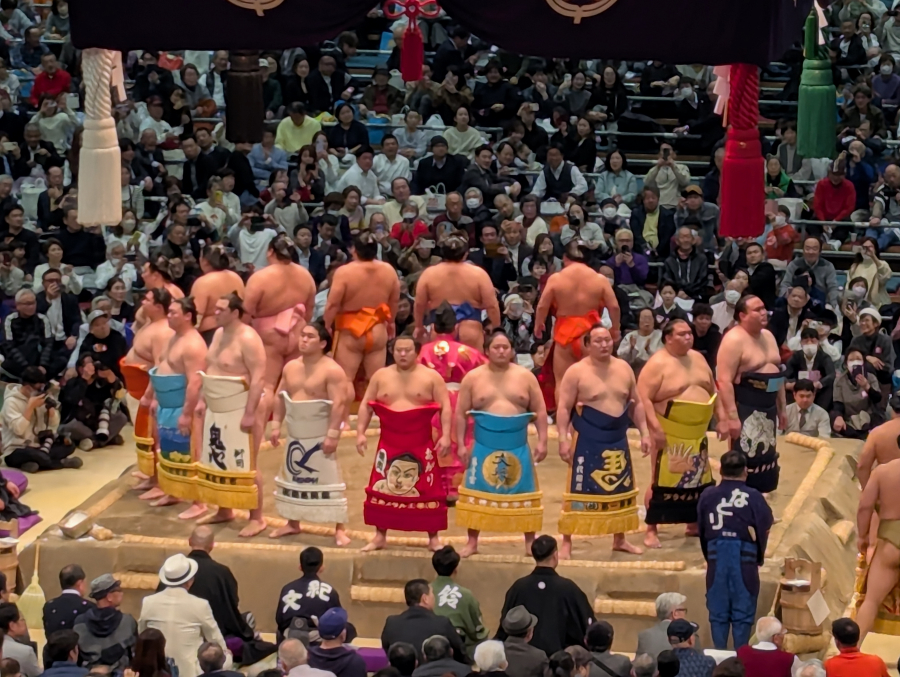
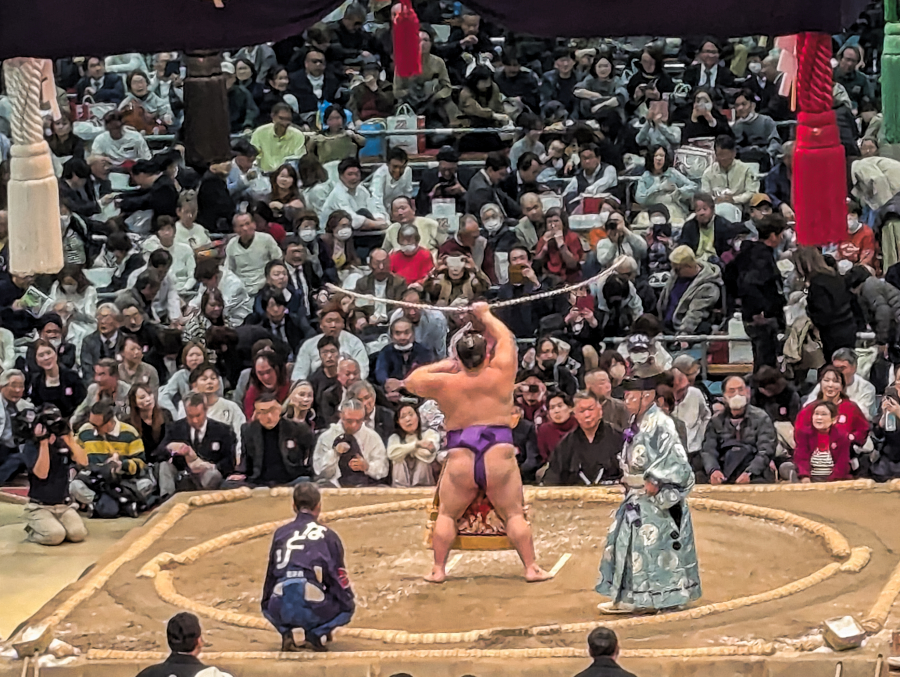
Sumo tournaments are where normally sedate Japanese turn into crazed fans. There is great pageantry with the wrestlers parading inside the auditorium and the referees dressed in elaborate ancient wardrobes. Two surprises: the winners are not always the biggest guy. Many winners were “small” but very fast. Second: most matches are ten seconds or less. The action is quick and fast so don’t blink. But, in Japanese fashion, the tournament was extremely well organized with little time between matches. It was an event you had to be there with thousands screaming to comprehend.
Sumo tournaments are where normally sedate Japanese turn into crazed fans. There is great pageantry with the wrestlers parading inside the auditorium and the referees dressed in elaborate ancient wardrobes. Two surprises: the winners are not always the biggest guy. Many winners were “small” but very fast. Second: most matches are ten seconds or less. The action is quick and fast so don’t blink. But, in Japanese fashion, the tournament was extremely well organized with little time between matches. It was an event you had to be there with thousands screaming to comprehend.



After the tournament we visited Dotonbori, Oskaka’s most famous, iconic and vibrant street. It is renowned for its explosive neon lights, massive animated billboards- such as the Gilco Running Man-and as the epicenter of Osaka’s kuidaore (eat until you drop) food culture with overwhelming crowded streets. It was a great, but a long day/night and it was hard to stay awake on the train ride back to Kyoto, a one-hour ride.
As I mentioned in the beginning, getting around Japan (with the help of Google maps) is amazingly easy whether by subway or train. From Kyoto back to Tokyo, we took the Shinkansen AKA the Bullet Train, with speeds up to 200mph. When your train arrives, you better be ready because the trains depart in just a few minutes after arrival. I almost missed my train by not paying attention!
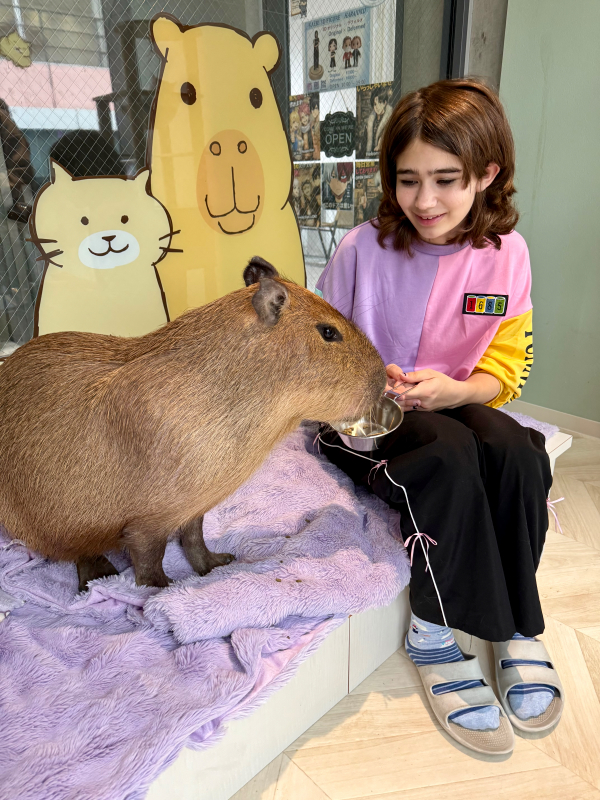
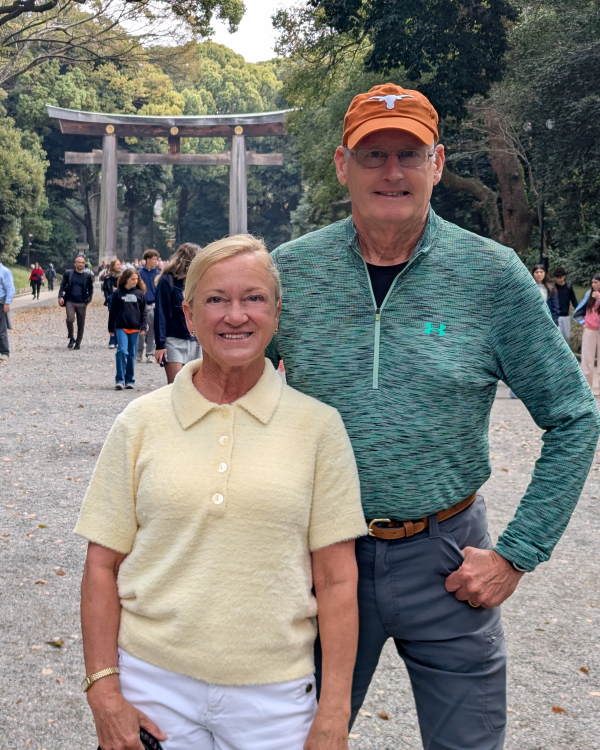
Back in Tokyo we took in a few sights that we missed on our first leg of the trip that included the Tokyo Metro Tower, the Meiji Jingu Shrine, The New York Bar (movie, Lost In Translation), karaoke, capybara cafes, arcades for the kids and much more! The Meiji Jingu is a 170-acre park in the middle of Tokyo that includes a huge shrine and 100,000+ trees. Spectacular!

JoDon and I said farewell to our spring breakers and stayed an extra two weeks in Japan.






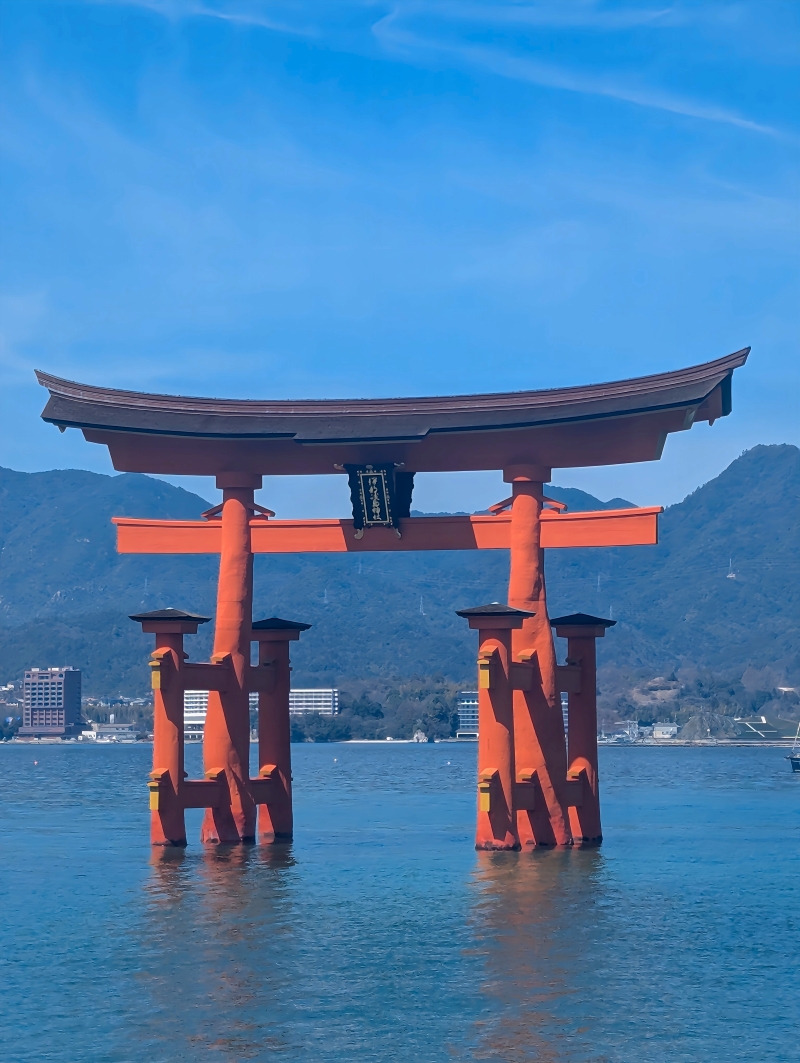
Northern Japan was still very cold with snow so we focused on the warmer southern locations. We first re-visited Osaka with the grand palace. Afterwords we traveled to the coastal city of Miyajima for some hiking in the mountains and see the famous shrine in the ocean. We also took a short train trip to Hiroshima to see some of the first cherry blossoms in bloom, enjoy some of the best Ramen of the trip (Hiroshima is famous for oysters) plus the Atomic Bomb memorial.
After WWII was over, Hiroshima could not decide if they wanted a memorial for the thousands lost due to the bomb or pretend the whole thing ever happened. By the time it was decided, almost all of the destroyed buildings had been demolished and reconstruction had already begun. There was one building, a former industrial trade pavilion that had not been torn down. This is now the centerpiece of the Hiroshima Peace Memorial Park. It’s a somber place to visit and makes you think about the mass destruction capability with current politicians and military leaders. Scary!
After WWII was over, Hiroshima could not decide if they wanted a memorial for the thousands lost due to the bomb or pretend the whole thing ever happened. By the time it was decided, almost all of the destroyed buildings had been demolished and reconstruction had already begun. There was one building, a former industrial trade pavilion that had not been torn down. This is now the centerpiece of the Hiroshima Peace Memorial Park. It’s a somber place to visit and makes you think about the mass destruction capability with current politicians and military leaders. Scary!
On the lighter side, we next traveled to the mountain resort of Takayama with mountain air and hiking. The surrounding mountains were snow-capped. Takayama is famous for its city center which includes old wooden buildings and narrow streets. It was fun!
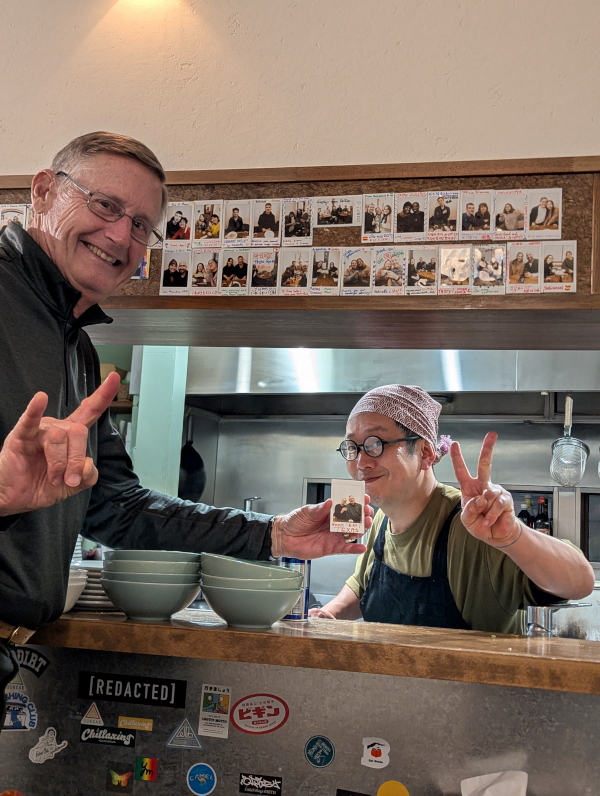
Since there was just two of us, we enjoyed eating at some “hole-in-the-wall” local restaurants that had capacity for only a few guests. These places were fun, eating local food with locals. In several we had interaction with the chef/owner and made some lasting memories.
Since there was just two of us, we enjoyed eating at some “hole-in-the-wall” local restaurants that had capacity for only a few guests. These places were fun, eating local food with locals. In several we had interaction with the chef/owner and made some lasting memories.
On a personal note, this was the first international large family trip that did not include sailing. JoDon pulled her engineering hat out of retirement and planned every detail making the trip enjoyable and stress free. It was such fun watching two of our grandchildren embrace a foreign culture and foods. Granddaughter Olive learned some Japanese before the trip, she got us out of a few jams and made the local community smile with her proficiency of Japanese greetings. Everyone got along great and it was a blessed experience.
In summary, go to Japan! It’s a beautiful country, easy to get around without a formal tour group, great food and a local population that is quite pleasant and helpful. Go!
Best,
Brian and JoDon
In summary, go to Japan! It’s a beautiful country, easy to get around without a formal tour group, great food and a local population that is quite pleasant and helpful. Go!
Best,
Brian and JoDon
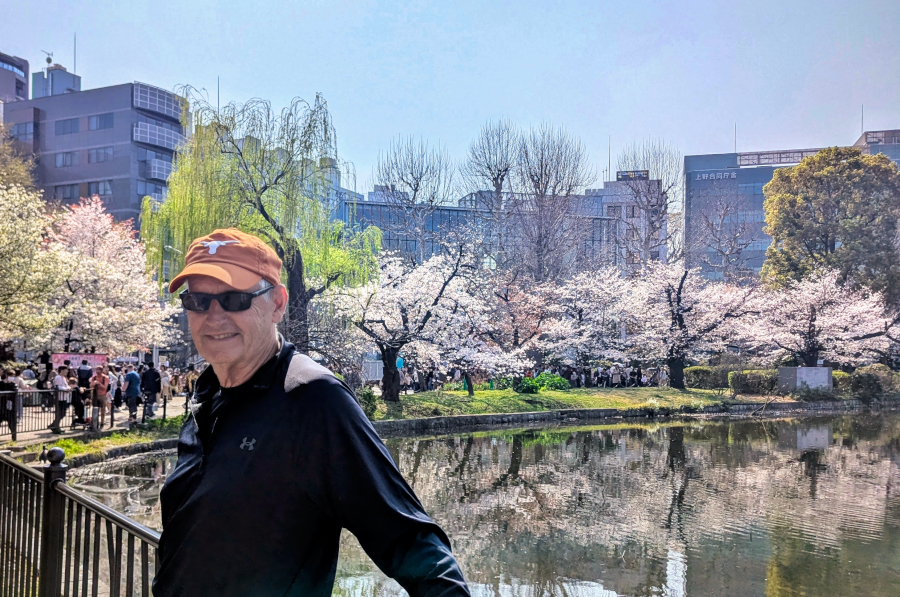
We returned to Tokyo where ALL the cherry trees were in bloom. It was a spectacular sight not just popular with tourist. Japanese celebrate cherry blossoms, sakura, that symbolizes renewal, beauty, and the fleeting nature of life. They love to celebrate and cherish the cherry blossoms trees during the limited flowering period and many people hold ‘flower watching’ parties known as hanami.
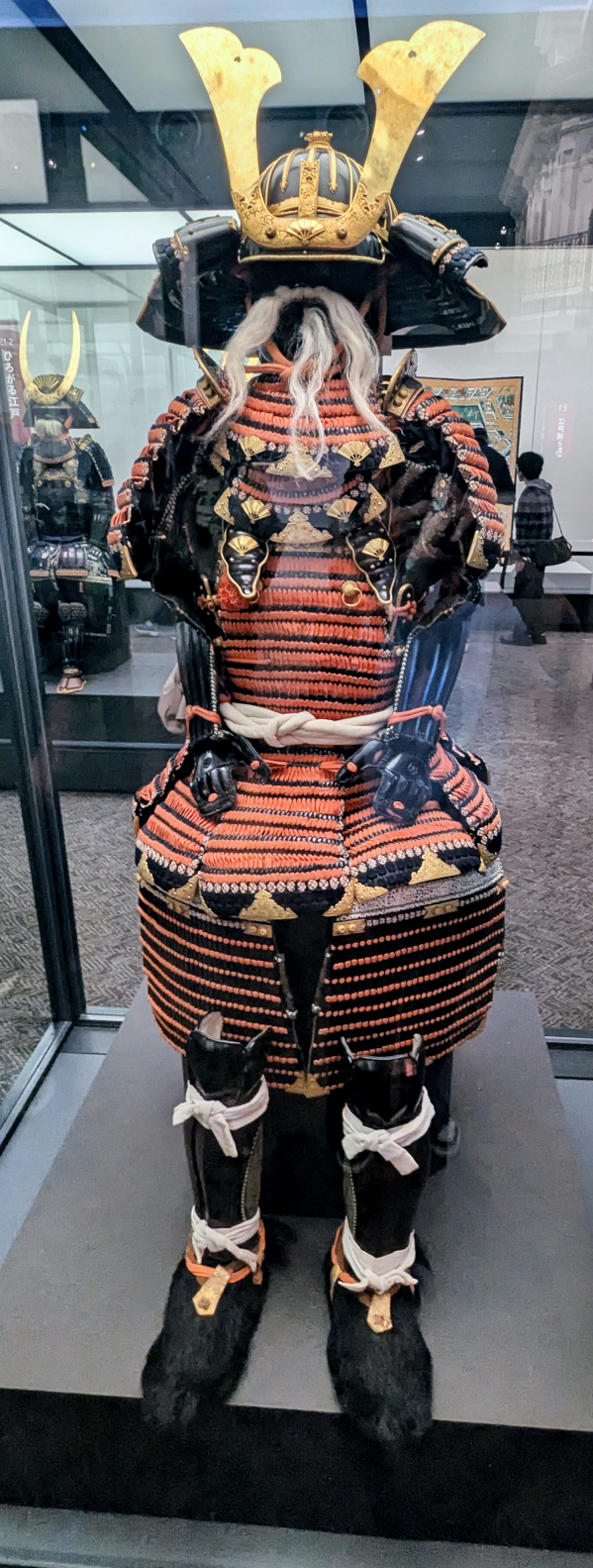
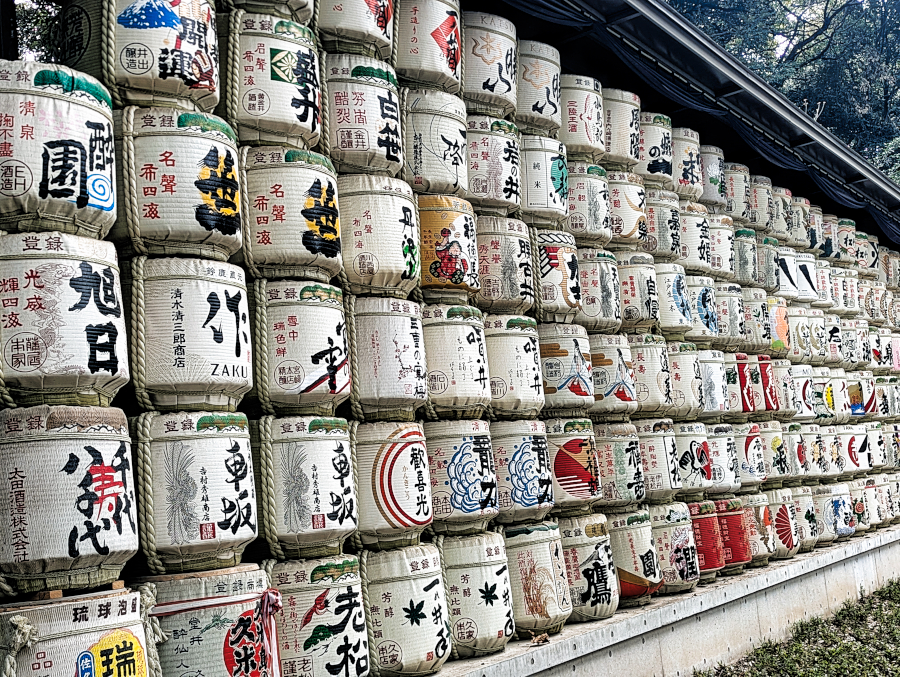
We also visited the Edo-Tokyo Museum. Edo is the former name of Tokyo. Tokyo in Japanese means ‘eastern capital’ and was given that name when the capital was moved from Kyoto. The museum provided the history of the area and included the story of American bombers dropping incendiary bombs on Tokyo at the end of WWII. Tokyo then consisted of wooden buildings and homes. The immediate results were about the same as a nuclear bomb. It was uncomfortable as an American to stand next to Japanese tourists while looking at the pictures of the devastation and the horrific loss of life. The barrels below are given by sake (rice wine) companies to their deities as thanks.
We concluded our Japan visit enjoying the cherry blossoms, shopping, eating local food and strolling through the many parks.